3 hr
Uvita Whale Watching Expedition with Local Experts
- Entry ticket
- Mobile voucher
- Valid same day
- Free cancellation
Costa Rica Whale Watching — Marino Ballena National Park Tours
Where humpbacks breach twice a year, and the shore forms a whale's tail at low tide
Compare fares, pick the fit — all bookings are mobile-voucher and eligible for free cancellation where shown.
3 hr
24 hr
3 hr
| Experience | Duration | Rating | Skip-the-line | Guide | Small group | Free cancel. | Price | |
|---|---|---|---|---|---|---|---|---|
|
Standard Entry
Most popular
Uvita Whale Watching Expedition with Local Experts
|
3 hr | ★ 4.8 | — | ✓ | — | ✓ | €83 | Book → |
|
Guided Experience
Marino Ballena Marine Wildlife Boat Adventure
|
24 hr | ★ 4.5 | ✓ | ✓ | ✓ | ✓ | €79 | Book → |
|
Standard Entry
Uvita Whale Watching & Marine Adventure
|
3 hr | ★ 4.4 | — | ✓ | — | ✓ | €74 | Book → |
Worth it for wildlife lovers and nature enthusiasts
At 6 USD per person, costa rica whale watching at Marino Ballena National Park delivers exceptional value for conservation-minded travelers. The entrance fee protects 13,000 acres of marine habitat while granting access to the iconic Whale Tail sandbar formation—a geological feature visible only at low tide. Humpback whales migrate through these waters twice annually, with August through October offering 90% sighting probability on boat tours departing from the park. Even without booking costa rica whale watching tours, the park provides snorkeling with sea turtles, dolphin encounters, and coastal trails. The modest conservation fee supports ranger patrols and reef protection, making every visit contribute directly to marine preservation. For travelers prioritizing wildlife encounters over manufactured attractions, the combination of affordable access, high whale sighting success rates, and genuine ecological impact makes this one of the region's smartest investments.
Bottom line: For the price of a coffee, costa rica whale watching tickets grant access to one of Central America's premier marine sanctuaries with genuine conservation impact.
They complement each other; most visitors who do both call Marino Ballena the more thrilling choice for ocean-based marine mammal encounters. While coastal Costa Rica whale watching tours dominate in Uvita, Tortuguero offers a distinct canal-based perspective on tropical biodiversity.
|
Top pick Marino Ballena |
Tortuguero National Park | |
|---|---|---|
| Primary Wildlife Focus | Humpback whales and dolphins | Sea turtles and manatees |
| Primary Activity | Boat observation and swimming | Canal boat wildlife spotting |
| Accessibility | Road access to Uvita | Boat or plane access only |
| Whale Sightings Potential | High (seasonal) | None |
| Turtle Nesting Season | Rarely | July through October |
| Terrain Type | Beach and marine sanctuary | Freshwater canals and jungle |
| See tickets & prices |
Verdict: Choose Marino Ballena if your primary goal is securing costa rica whale watching tickets, or select Tortuguero for a deep-jungle experience focused on nesting sea turtles and costa rica whale watching tour alternatives in the Caribbean mangroves.
Hand-picked experiences loved by thousands of travelers
3 hours
Free Cancellation
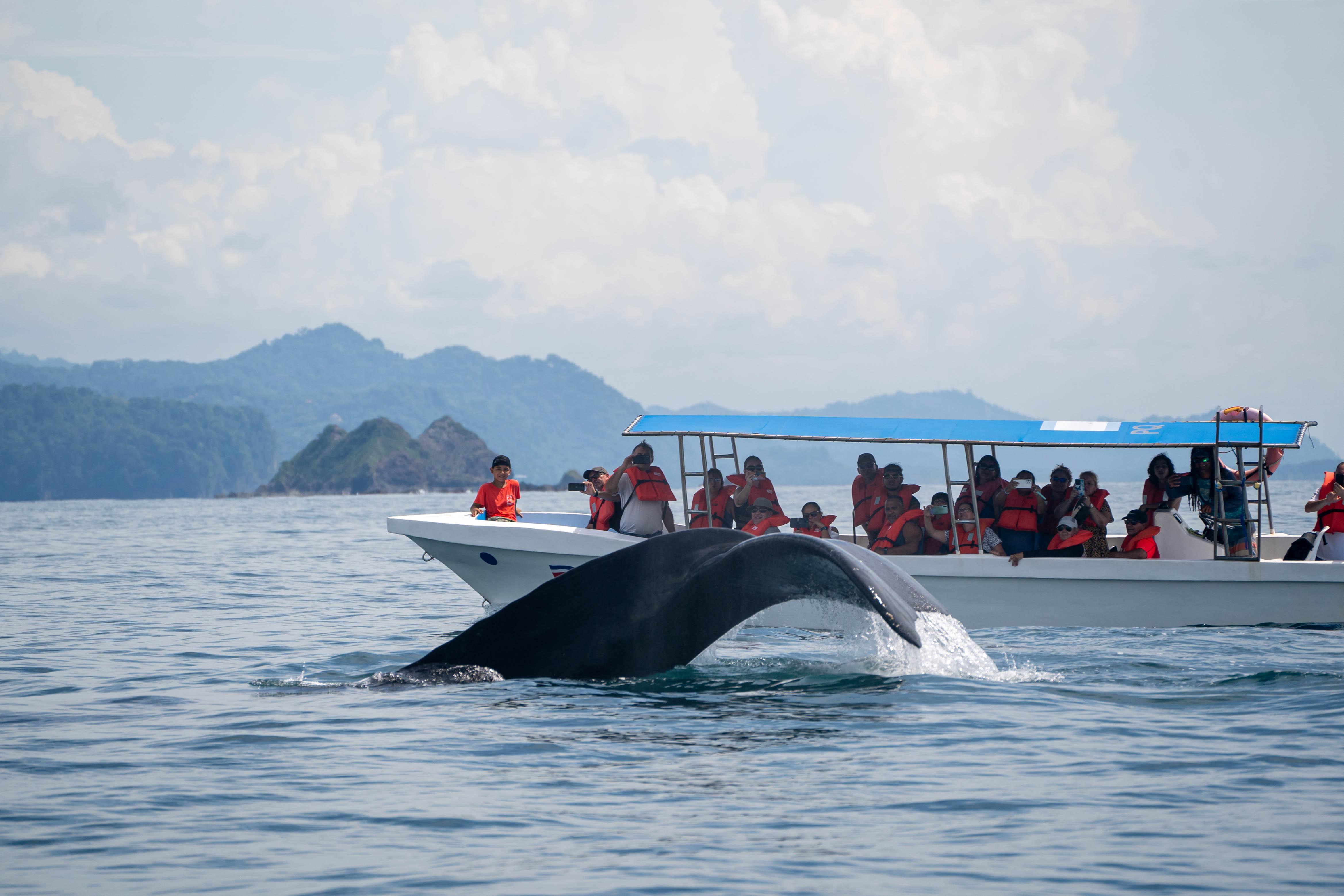
Search for migrating humpback whales and playful dolphins on a coastal voyage through protected waters
3.5 hours
Free Cancellation
Exclusive marine wildlife tour in Ballena National Park with personalized guide and refreshments
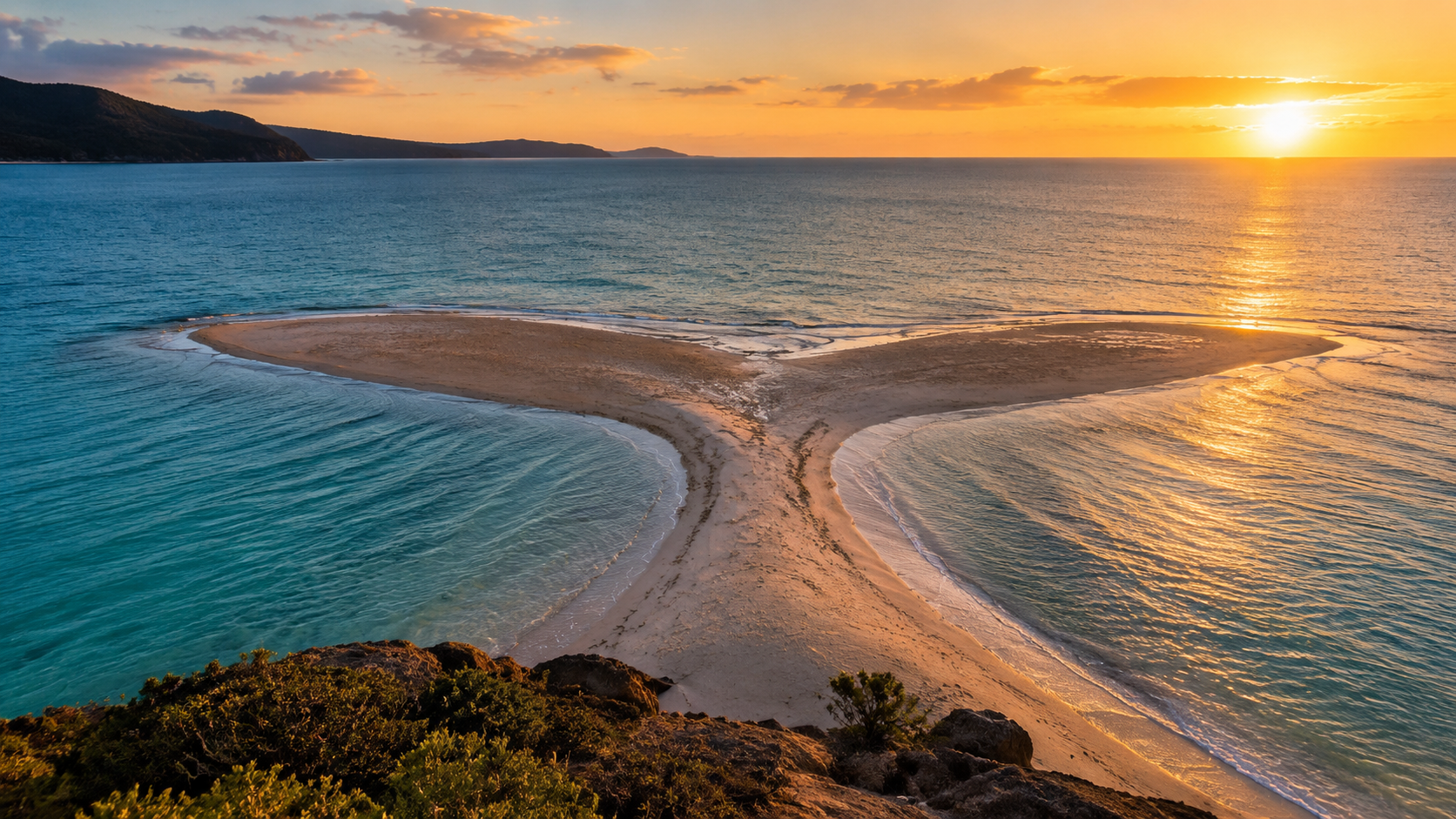
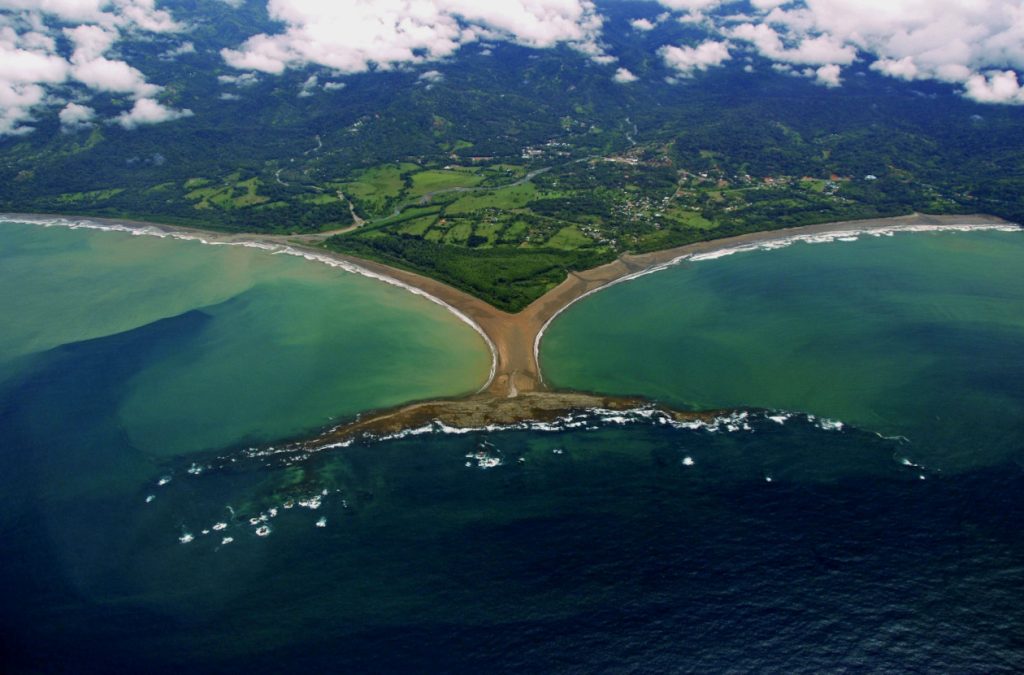
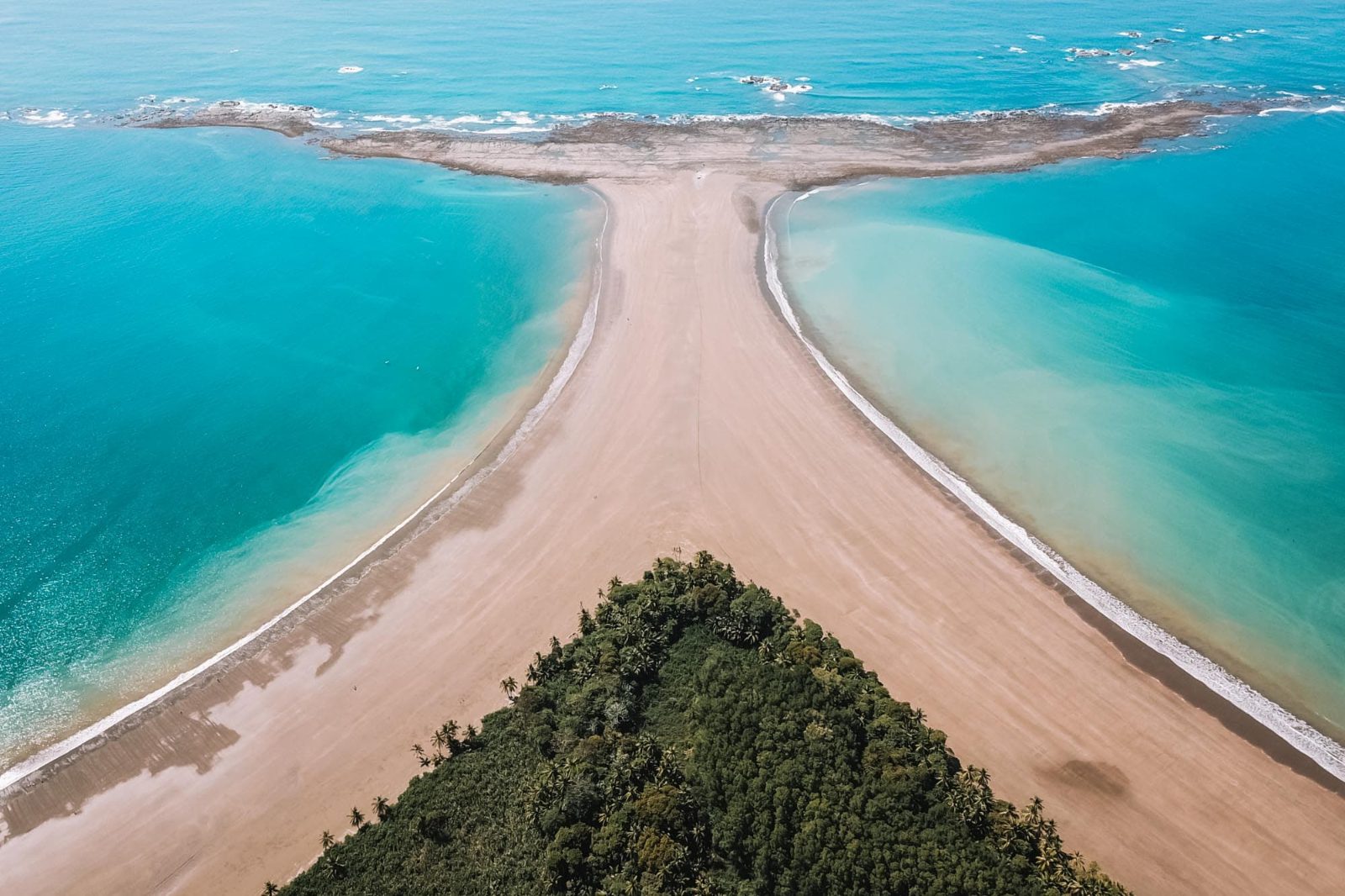
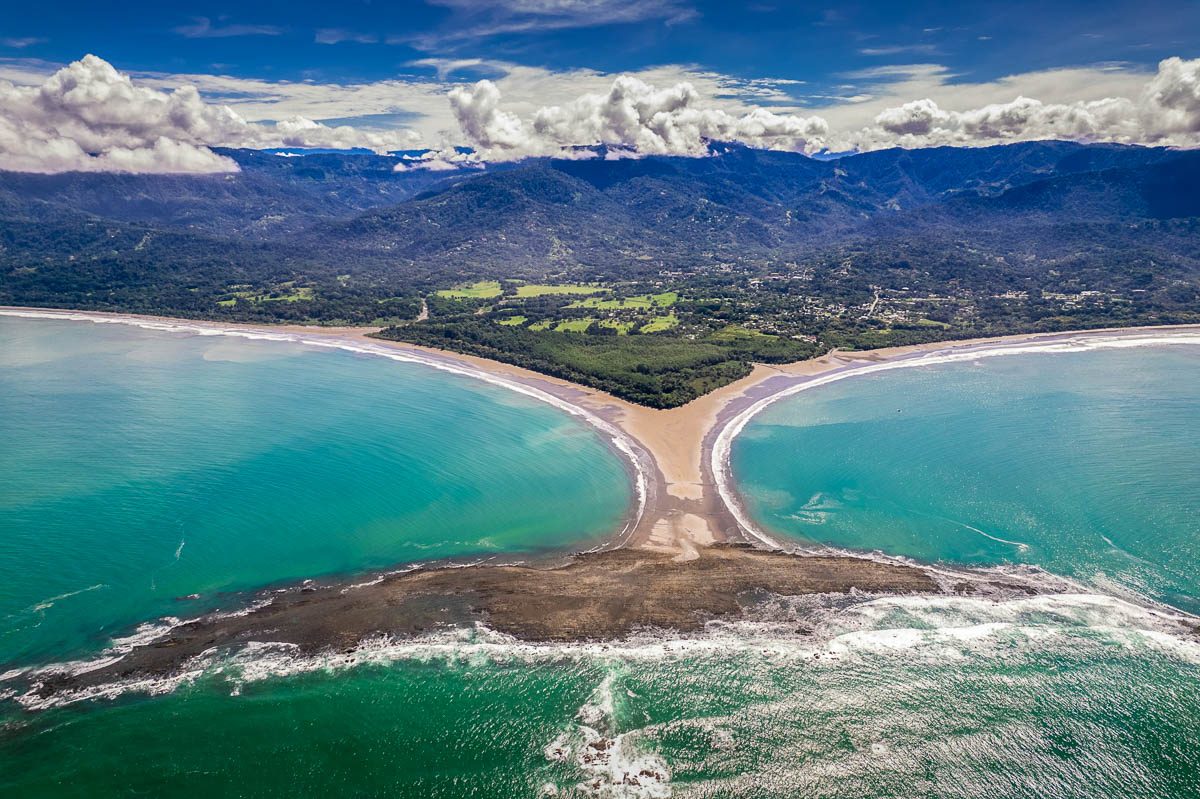
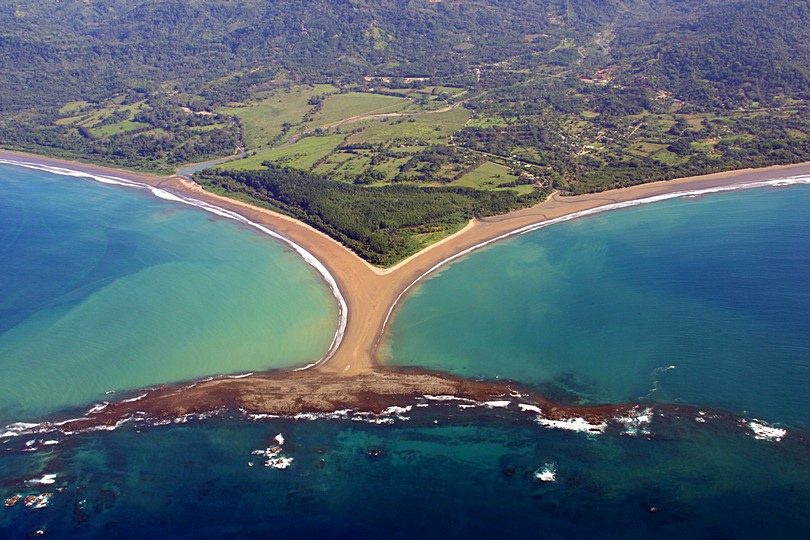
A natural sandbar formation that resembles a humpback whale fluke, accessible during low tide.
A small island located 3 km offshore, surrounded by vibrant coral reefs ideal for snorkeling.
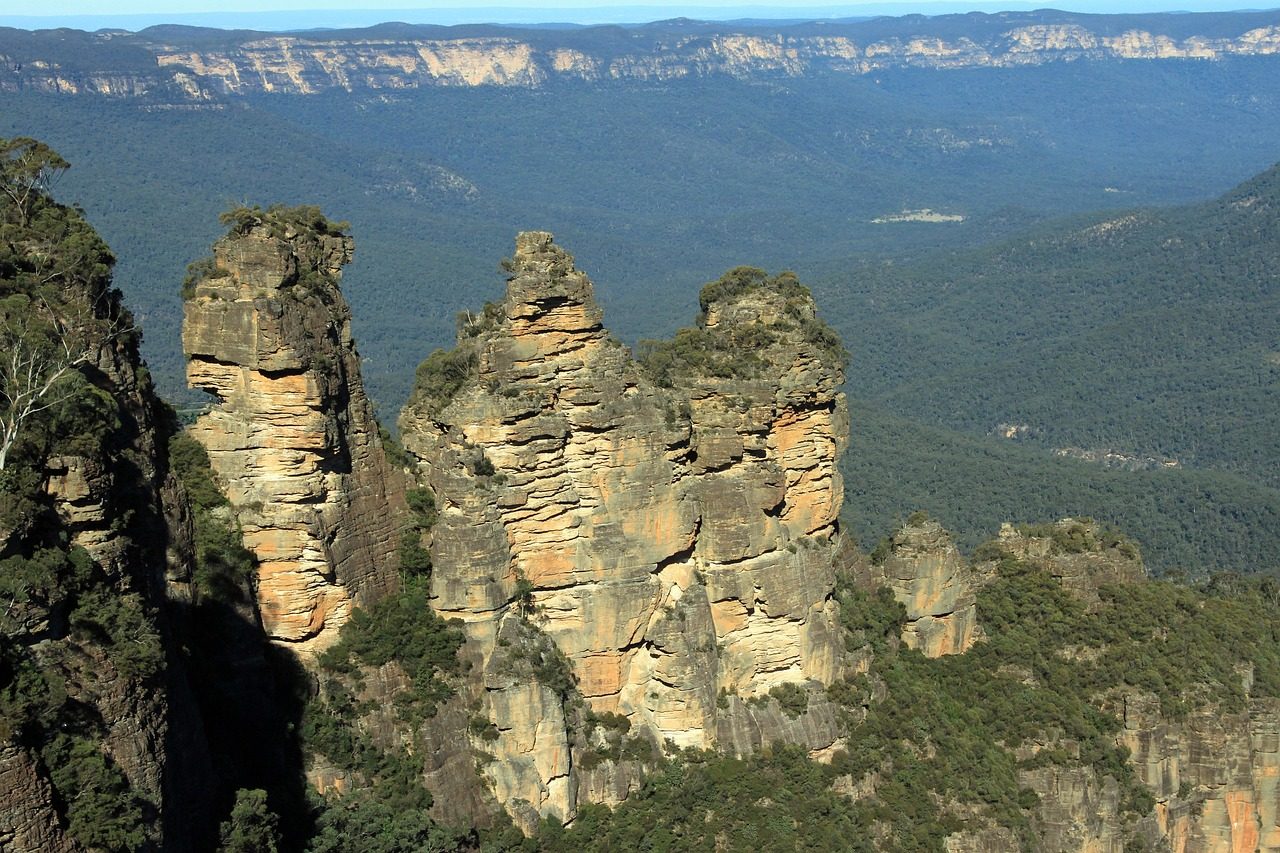
Distinctive rock formations that serve as crucial nesting grounds for various migratory bird species.
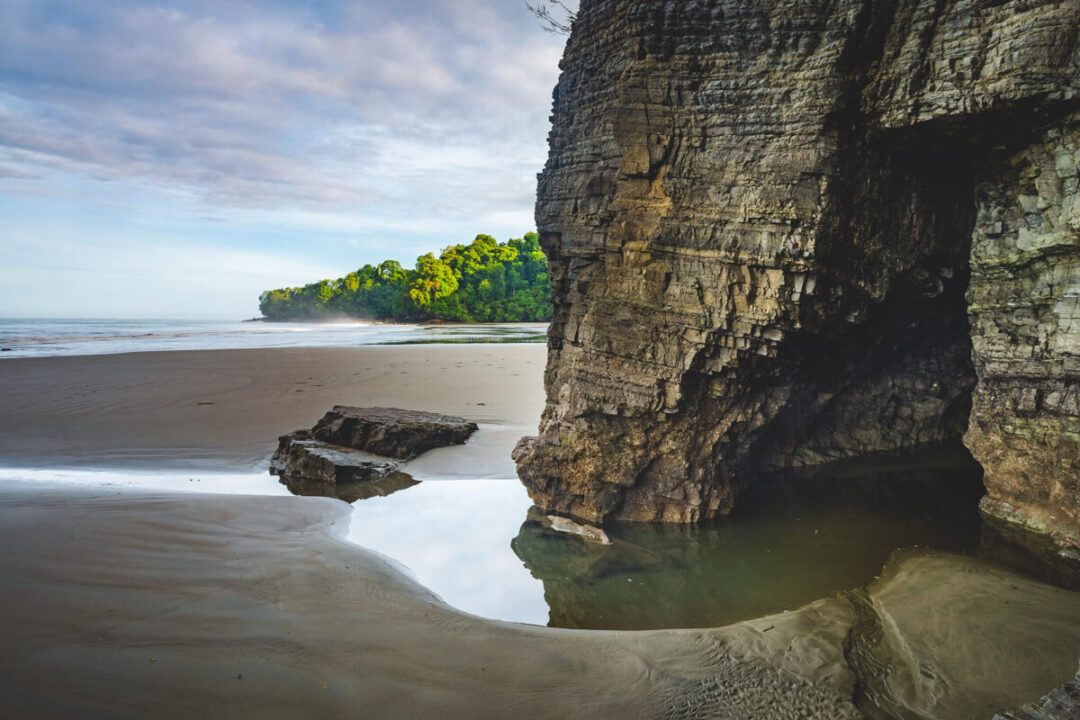
A scenic, secluded beach within the park known for its dramatic cliffs and natural beauty.
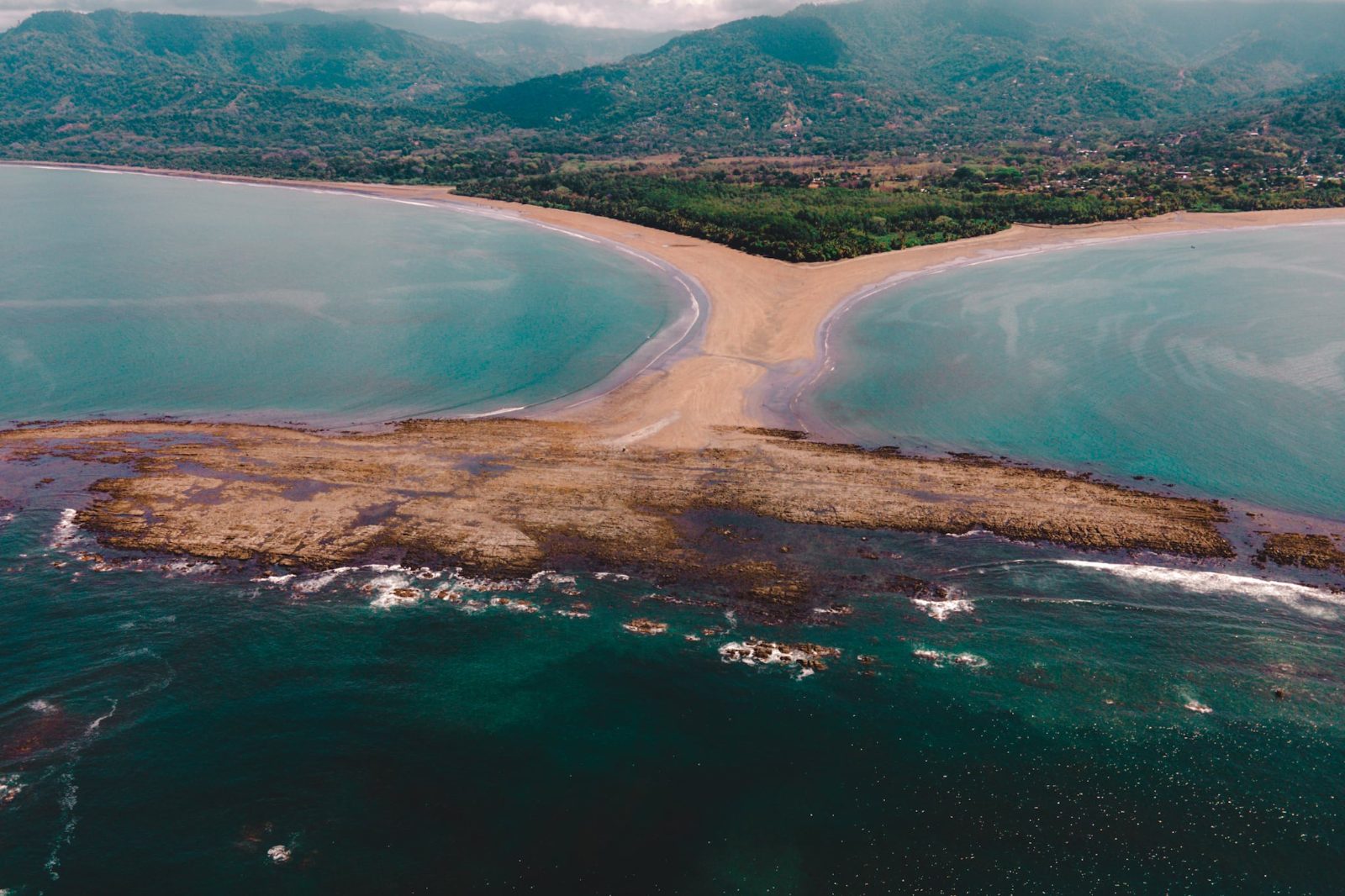
The primary sector of the park where the tombolo connects to the mainland during low tide.
You meet your guide at Playa Uvita before dawn, when the sand is cool and the tide has just begun its retreat. The captain briefs you on hand signals—closed fist for whale sighting, open palm for engine cut—before you board the inflatable and push through the first line of surf.
Within ten minutes you clear the breakers and enter the calm of Bahía de Coronado, scanning the horizon for blows: vertical plumes of mist that mark exhalation.
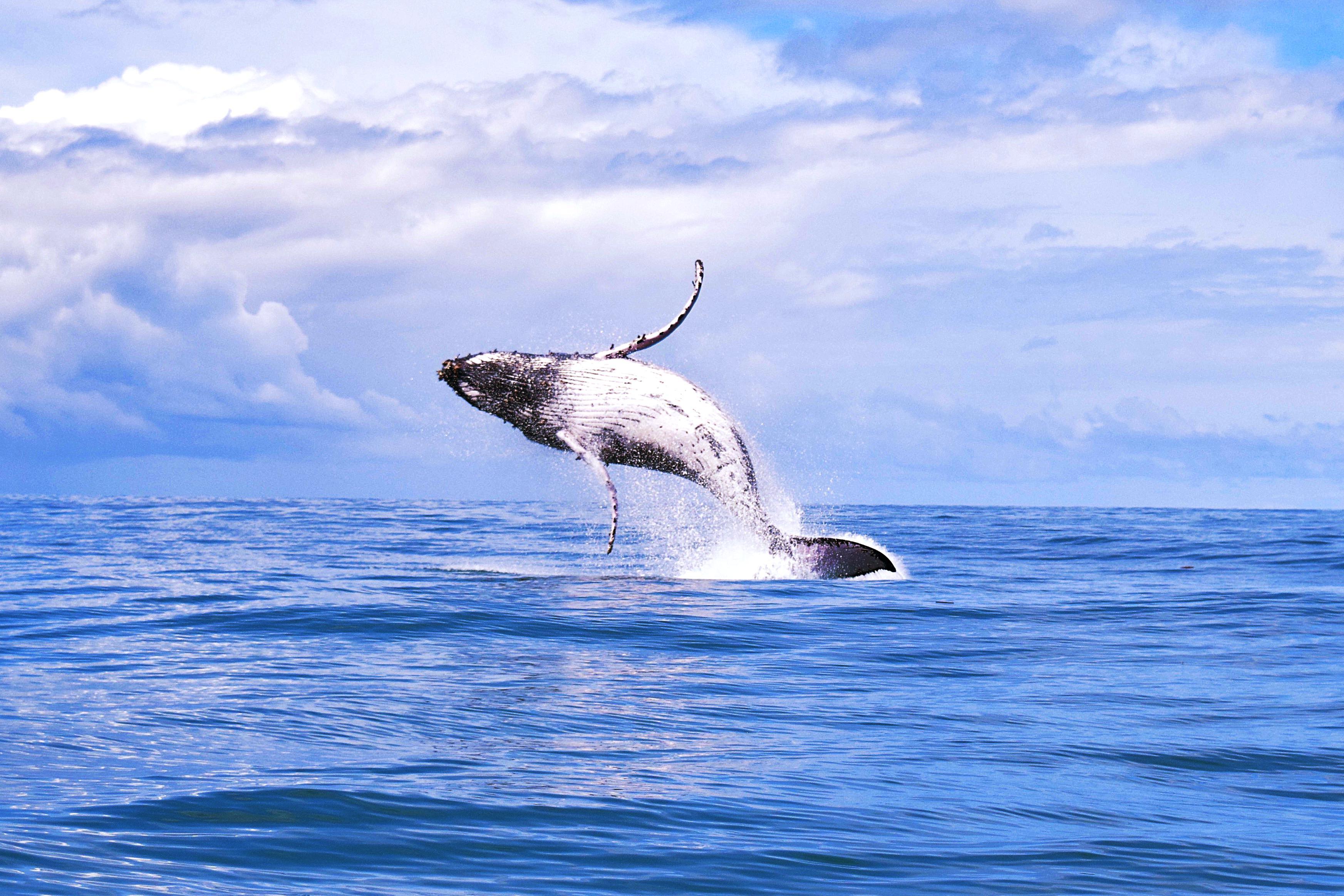
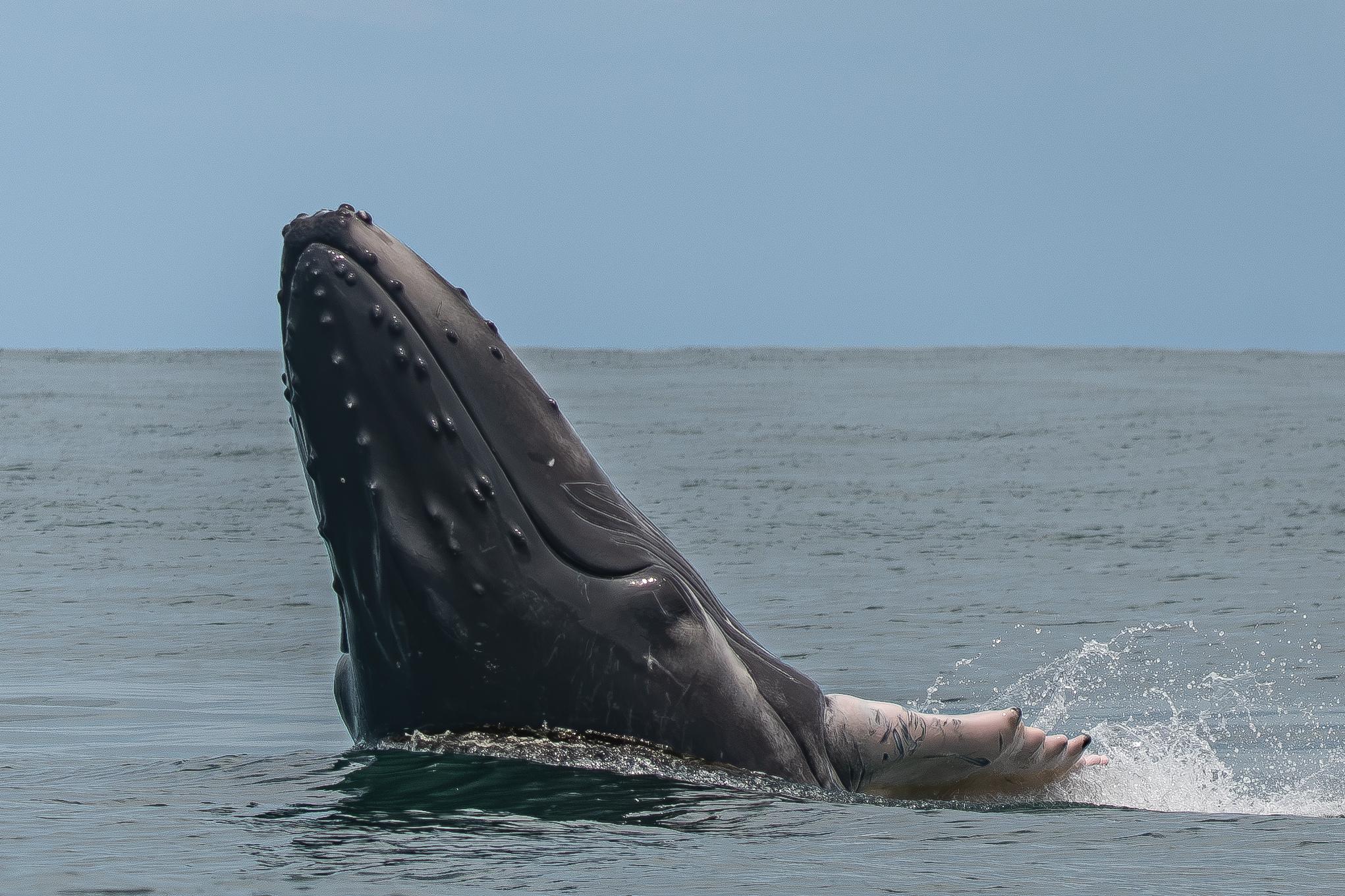
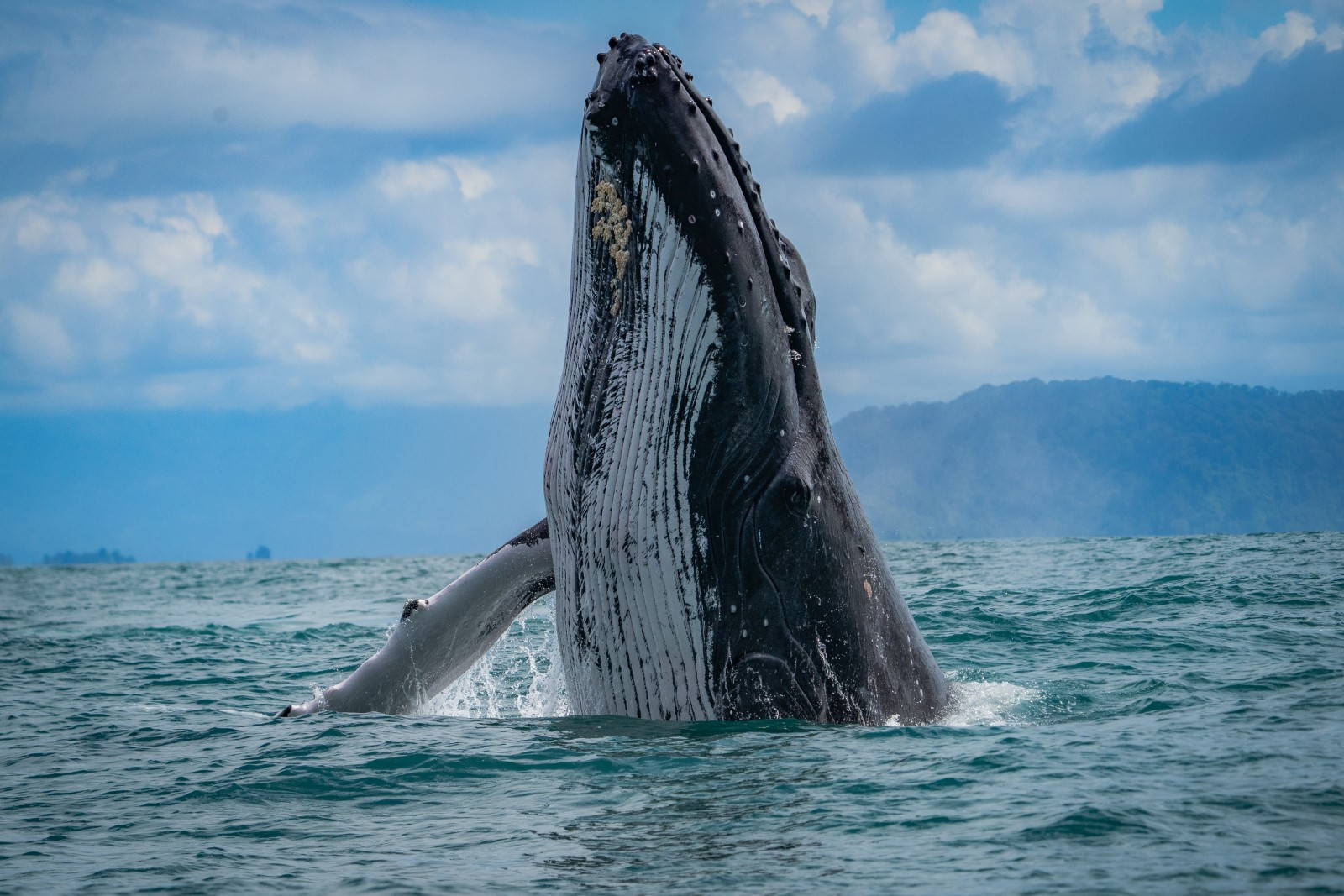
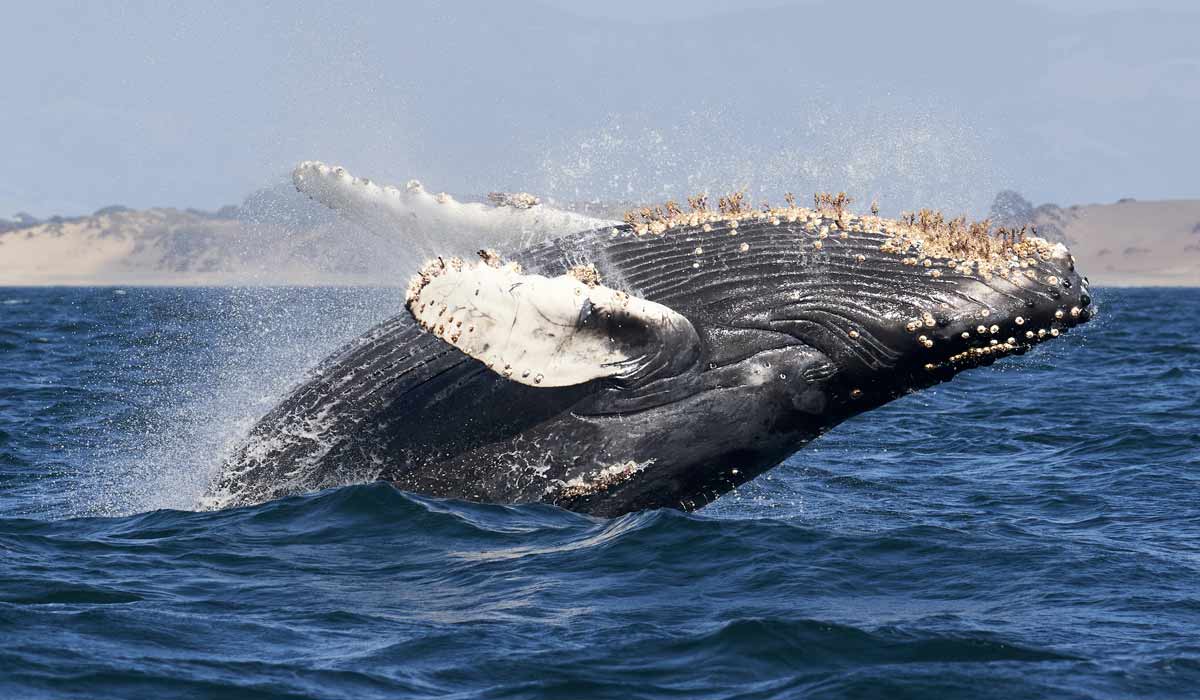
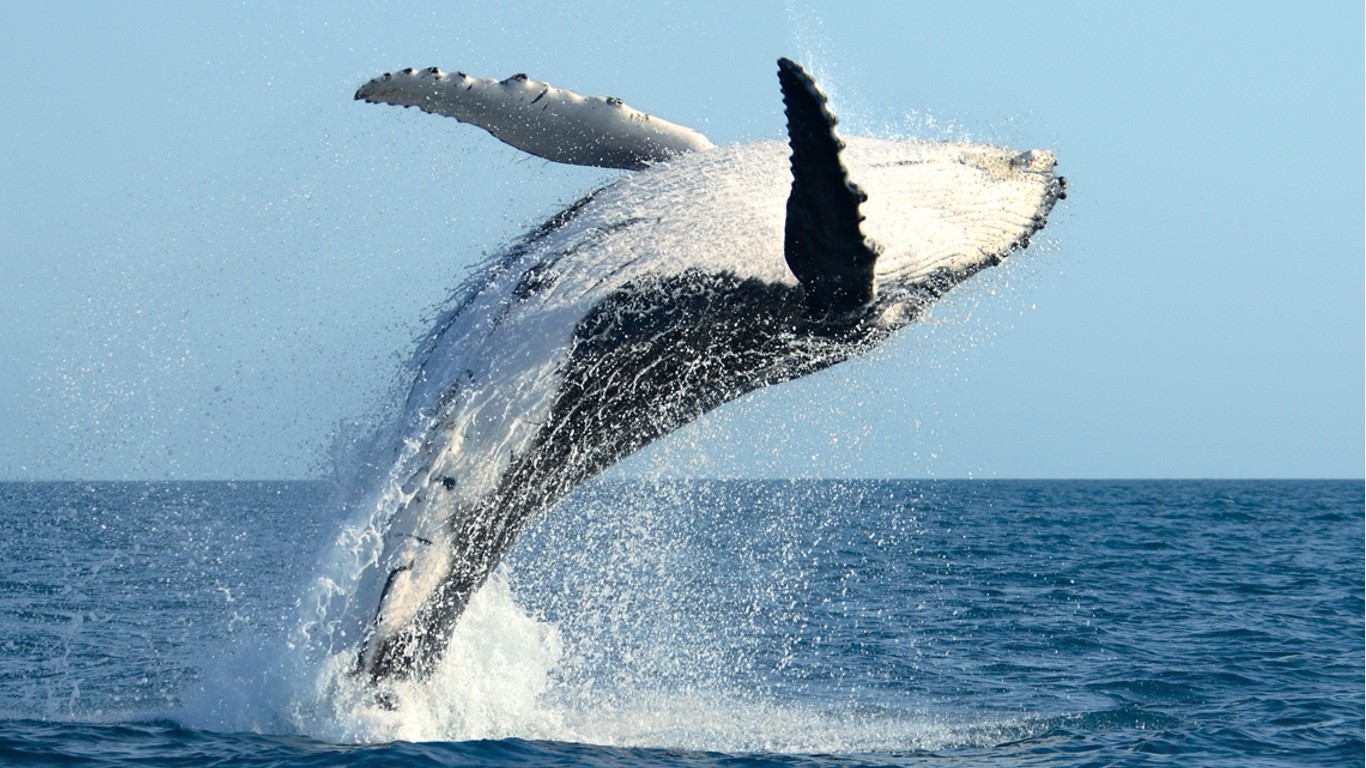
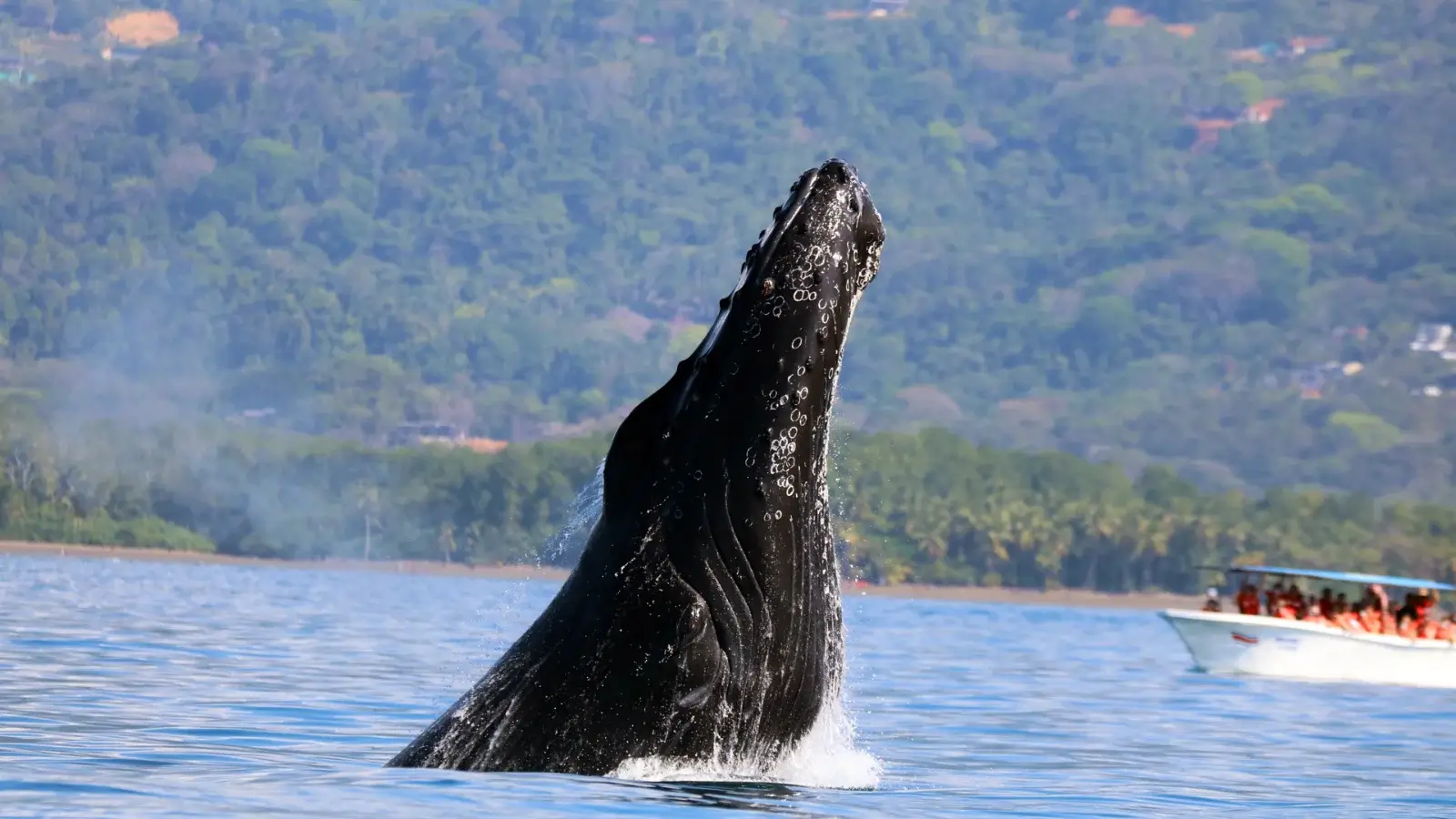
The first breach comes without warning. A 40-ton humpback clears the water 200 meters off your starboard side, twisting mid-air before crashing back in an eruption of white spray. Your boat drifts, engine silent, as the whale surfaces again, this time a slow roll that exposes its dorsal fin and the mottled pattern on its fluke—unique as a fingerprint, cataloged by researchers who patrol these same waters. A calf surfaces beside the mother, smaller, smoother, its blow a fraction of hers.
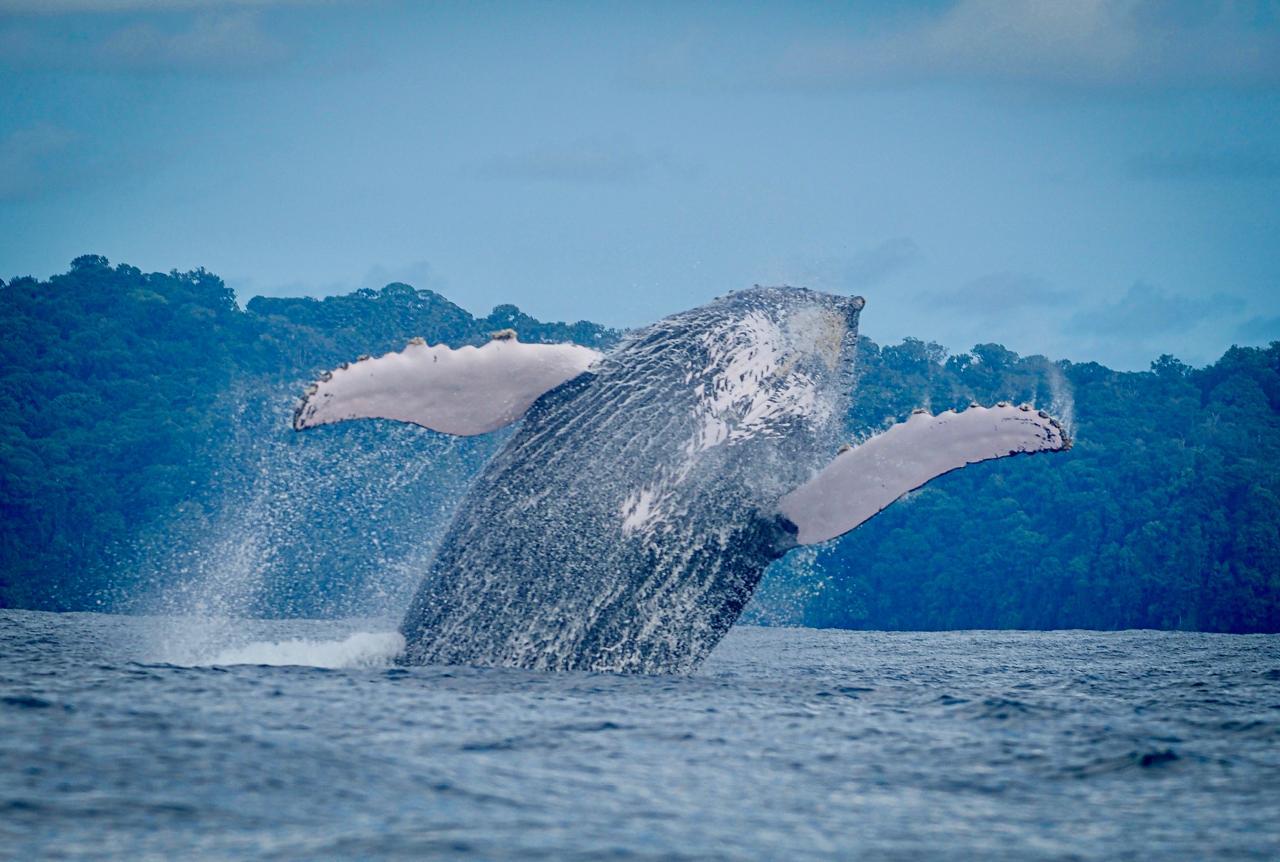
For the next twenty minutes you watch them breathe and dive in tandem, the mother occasionally lifting her pectoral fin—white underneath, nearly five meters long—in what looks like a wave. When they sound for a deep dive, flukes rising vertically before sliding under, your captain restarts the engine and you motor south, spotting a pod of spinner dolphins that ride your bow wake, leaping in synchronized arcs. By the time you return to shore, the Whale Tail is fully exposed, and you walk its length before the ocean reclaims it.
All the details about your upcoming adventure in one place
Costa rica whale watching takes place in Marino Ballena National Park, where humpback whales migrate twice yearly between Northern and Southern hemispheres. Certified naturalist guides lead marine wildlife tours through protected waters where dolphins, sea turtles, and seasonal whale pods gather year-round. Costa rica whale watching tours depart from Uvita between July–November and December–April, with peak sightings during August–October and January–March.
Marino Ballena National Park protects 13,000 acres of ocean and reef along Costa Rica's southern Pacific coast, named for the sandbar formation that mirrors a whale's tail when tides recede.
Established in 1990 as the country's first marine park, it serves as a critical migratory corridor for humpback whales traveling from both hemispheres—one of only three places on Earth where Northern and Southern Hemisphere populations overlap. Between July and November, Antarctic humpbacks arrive to breed and nurse in warm coastal waters. December through April brings Alaskan humpbacks on the same mission, creating a nearly year-round window for sightings.
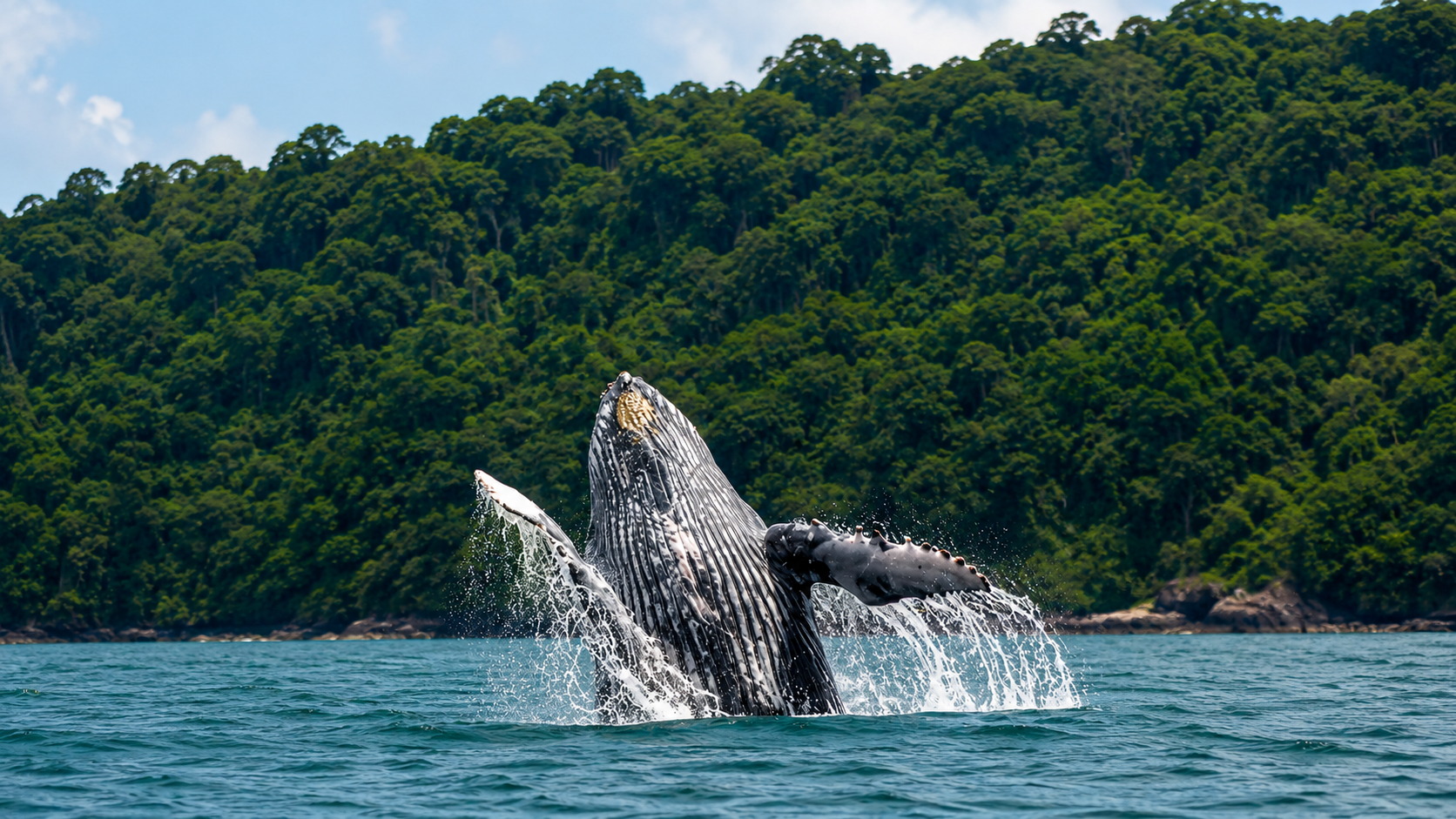
The park's 110 square kilometers of protected sea provide calm breeding conditions unavailable in open Pacific waters. Mothers with newborn calves rest in the shallows, while males perform surface behaviors—breaching, tail slapping, pectoral fin displays—to establish dominance or attract mates. Hydrophone studies conducted here since 2003 have documented over 200 individual whale songs, contributing to global understanding of humpback vocal patterns. Beyond whales, the park shelters pantropical spotted dolphins, bottlenose dolphins, false killer whales, and occasional orcas, along with hawksbill and olive ridley sea turtles that nest on its four beaches.
The Whale Tail sandbar, or Punta Uvita, extends 800 meters into the Pacific during low tide, accessible on foot from Playa Uvita. The formation comprises river sediment deposited over millennia, now stabilized by mangrove roots and turtle grass. Visitors wade across tide pools teeming with hermit crabs, Sally Lightfoot crabs, and juvenile reef fish trapped by receding water. The point marks the boundary between Bahía de Coronado to the north and the open ocean to the south, creating distinct microclimates on either side. Northern waters remain calmer, preferred by tour operators during peak whale season.
Costa rica whale watching tours depart from Playa Uvita and neighboring Playa Ventanas, launching through surf zones that require skilled navigation. Most operators use 20- to 30-foot rigid-hulled inflatables that can approach whales within the legal 100-meter minimum distance while maintaining maneuverability. The park enforces strict observation protocols: no more than two boats per whale group, 30-minute maximum encounter time, and mandatory engine shutdowns when whales surface within 200 meters. These regulations, refined over two decades, balance tourism revenue with conservation imperatives—an equilibrium that has allowed whale populations in the corridor to stabilize after near-extinction from 20th-century whaling.

One of only three places on Earth where Northern and Southern Hemisphere humpback populations overlap.
Wear comfortable beachwear and sturdy sandals or water shoes for rocky tide pool exploration. Modest cover-ups are expected when leaving the immediate beach areas to respect local customs.
All bags are subject to inspection at park entrances. Keep personal belongings in sight as there is no secure storage provided within Marino Ballena National Park.
Photography of marine life is encouraged but do not use drones, which are prohibited. Maintain a respectful distance from wildlife to avoid legal penalties under local conservation laws.
The park is family-friendly, though parents must supervise children closely near currents. Children under 11 years of age enter free of charge.
The park features natural, sandy, and rocky terrain that can be challenging for those with limited mobility. Accessible facilities are limited, so plan arrival during low tide for easier movement.
Bring your own prepared food and water as there are no food services inside. Plastic bottles and single-use plastics are discouraged to protect the environment.
Opening Hours
07:00–16:00
Address
Uvita, Osa, Puntarenas Province, Costa Rica
Accessibility
Beach access subject to tide
Best Arrival
07:00–10:00
Storage
Not available inside park
Entrance
Authorized ticket counters
Tickets purchased online are generally non-refundable. The 6 USD conservation fee is valid for a single-day entry per person.
Recommended time
4-5 hours
A visit to Marino Ballena National Park requires careful alignment with the tide to access the famous Whale Tail sandbar, which dictates your schedule. Most guests find that booking costa rica whale watching tours early allows for a transition from marine exploration to walking the geological formation. You should plan your arrival within the 07:00–10:00 window to enjoy the marine sanctuary before the mid-day heat and increasing crowds impact the experience. Securing your costa rica whale watching tickets in advance helps streamline entry, while a half-day duration provides sufficient time to observe the Pacific coastline without rushing.
Crowd levels through the day
Stand at the end of the tombolo during low tide to capture the iconic land formation extending into the ocean. This vantage point provides a clear perspective of the sandbar and is perfect for capturing costa rica whale watching vessels in the distance.
Position yourself along the trail overlooking the coastline to frame the turquoise water against the dense jungle backdrop. This elevation is ideal for long-lens shots when you book costa rica whale watching tours to observe breaches from the shore.
Charter a vessel to reach the open sea where you can photograph humpback whales in their natural habitat. Maintaining a steady shutter speed on the water is essential for sharp images during your costa rica whale watching tour.
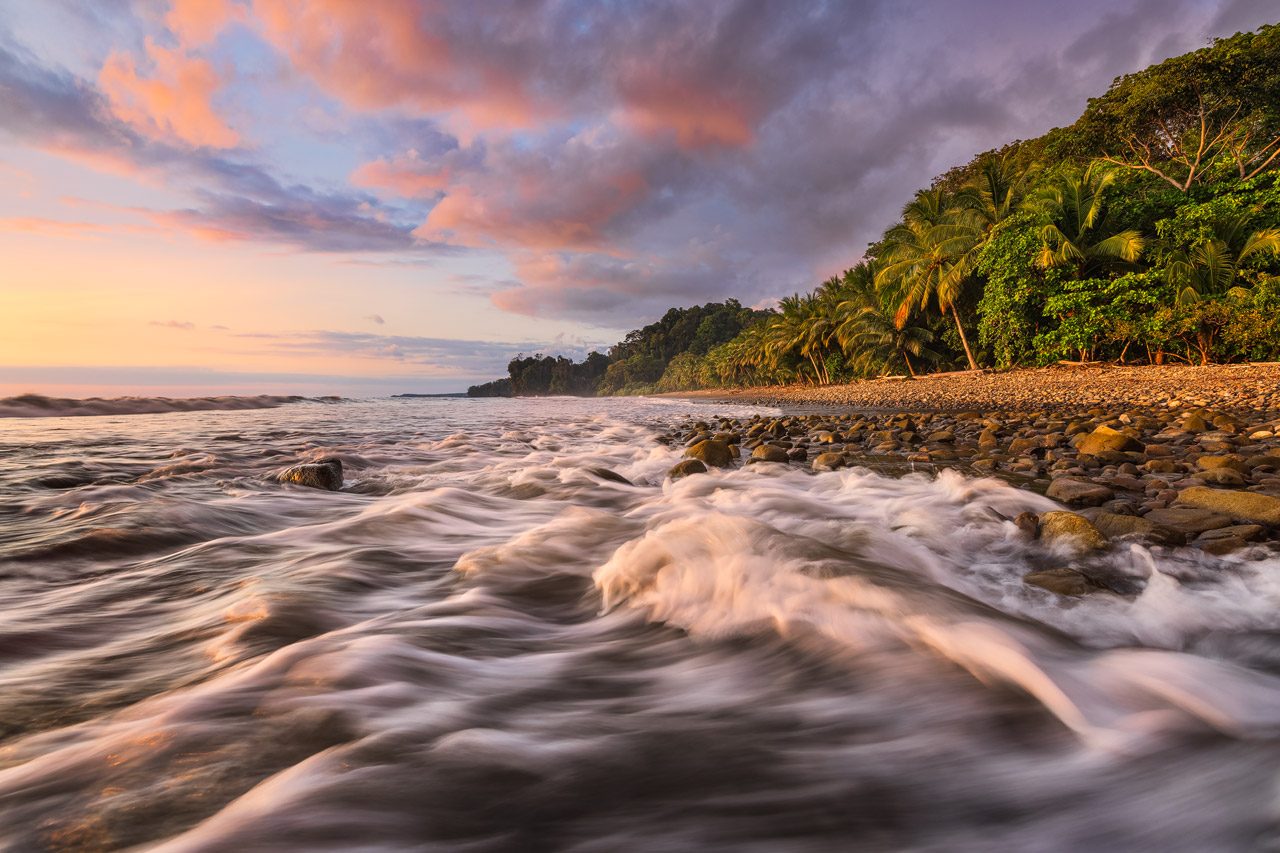
Capture the contrast between the palm-fringed shoreline and the expansive bay before heading out on the water. Many visitors purchase their costa rica whale watching tickets here and take final landscape photos before boarding.
Exploring the coast with children requires a bit of extra planning, but this unique marine sanctuary remains a top destination for families interested in costa rica whale watching. With careful attention to tide schedules and shade, the park offers a memorable way to introduce young travelers to oceanic life.
Choose larger vessels for infants or toddlers, as smaller boats can be uncomfortable; inquire about costa rica whale watching tours that prioritize stability and comfort for younger passengers.;Tide Awareness
Dining options are concentrated along the main road leading to the park entrance, making it easy to grab a meal after your costa rica whale watching experience. Most visitors rely on casual local eateries, as there are no dining facilities located directly inside the park borders.
This spot serves traditional casados and fresh fruit juices, perfect for refueling after costa rica whale watching tours. Expect a busy atmosphere around midday as groups finish their ocean excursions.
Known for empanadas and quick coffee, this is a practical choice for those who need a fast bite before heading to get their costa rica whale watching tickets. It offers simple, reliable fare for travelers on the move.
Located within a short walk of the entrance, this venue provides a relaxing environment to review photos from your costa rica whale watching tour. It features a varied menu of sandwiches and smoothies that caters to post-hike appetites.
Real experiences from real travelers
We spotted three humpback whales during our morning departure from Uvita. The captain positioned us perfectly to watch a mother teaching her calf to breach. Water was calm and visibility extended for miles along the park boundary.
Our guide explained migration patterns while we waited near the whale tail formation. Within twenty minutes a pod surfaced fifty meters from our boat. The combination of marine life and coastal scenery made this costa rica whale watching experience remarkable.
Booked for late July during the humpback migration window. We encountered whales within the first hour and observed tail slapping behavior for another thirty minutes. Bring sun protection and a waterproof case for your phone.
Saw two whales but the afternoon swell made photography difficult. The boat handled well and crew kept everyone safe. Consider morning departures when the Pacific tends to be calmer for costa rica whale watching tours.
Our August tour delivered repeated breaches and pectoral fin slaps. The naturalist onboard identified individual whales by fluke markings. Marino Ballena's protected waters concentrate migrating cetaceans in a relatively compact viewing zone.
Watched a curious calf approach our stationary boat while the mother circled at a distance. The crew maintained respectful separation as required by park regulations. This costa rica whale watching tour balanced access with conservation ethics.
Departure was punctual from Playa Uvita and the boat carried proper safety equipment. We logged sightings of four different whales over a three hour window. The guide's knowledge of cetacean behavior added educational value.
Traveled during the southern humpback migration and conditions were optimal. Clear skies and flat water allowed us to spot blows from a kilometer away. The costa rica whale watching tickets included park entrance and a bilingual naturalist guide.
Saw breach sequences that rivaled anything from nature films. The whales were active throughout our tour and we captured hundreds of photos. Marino Ballena's marine corridor funnels migratory routes close to shore.
As a Tico I've visited many coastal parks but Marino Ballena offers the most reliable cetacean encounters. September marks the start of North Pacific humpback arrivals. The boat operators respect wildlife protocols while delivering consistent sightings.
Everything you need to know for your journey
The park is open daily from 07:00–16:00.
Yes, there is a conservation fee of 6 USD per person.
The peak for costa rica whale watching is August to September, with a secondary season from January to March.
Yes, you may bring prepared food and water, but single-use plastics are discouraged at Marino Ballena National Park.
Yes, the park and associated whale watching activities are family-friendly; children under 11 enter the park for free.
The park is located in Uvita, Osa; most visitors travel via the South Inter-American Highway.
Yes, items such as drones, alcohol, and grills are prohibited within Marino Ballena National Park.
The Whale Tail is only accessible during the 6-hour low tide window; check tide tables before your costa rica whale watching visit.
Reservations for the park entrance are not strictly required, but booking your specific whale watching boat tour in advance is recommended.
Join thousands of happy travelers who have discovered this incredible experience
Book Your Experience Now