

Quick answer
The costa rica best time for whale watching spans two distinct seasons: July through October when Northern Hemisphere humpbacks arrive, and December through March when Southern Hemisphere populations migrate north. August through September and January through February offer the highest probability of sightings, with calmer seas and peak pod concentrations. Weather stability improves viewing conditions during these core months.
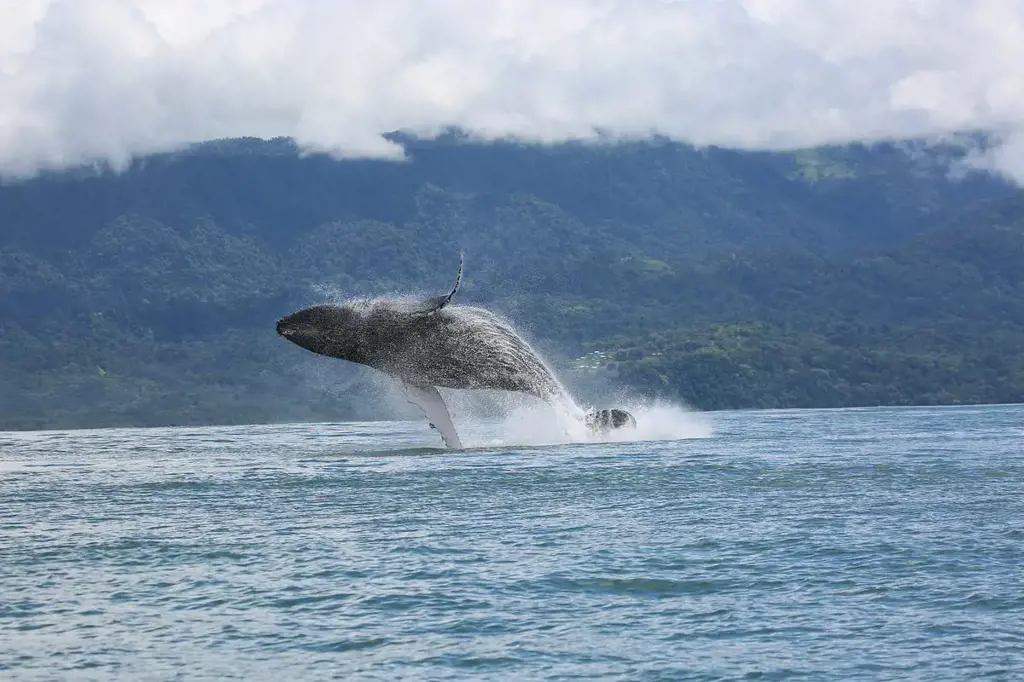
Marino Ballena holds the distinction of being one of the few marine parks globally where humpback whale populations from both hemispheres converge, creating an observation calendar that stretches across seven months instead of the typical three. The phenomenon results from staggered breeding cycles: Northern Hemisphere whales travel south to warmer Pacific waters from July through October, while Southern Hemisphere pods move north from Antarctica between December and March. The costa rica best time for whale watching aligns with mid-season windows when migration activity peaks and weather patterns stabilize. August and September see the highest concentration of Northern Hemisphere whales, with mothers and calves lingering in the sheltered bays off Uvita. January and February mirror this pattern for Southern Hemisphere arrivals. These core months deliver both frequency and proximity—pods regularly surface within 200 meters of the coast, and breaching behavior intensifies during breeding displays. Sea conditions dictate visibility as much as migration timing does. The dry season from December through April brings calmer waters and clearer sightlines, making early-year whale watching particularly reliable. The green season months of July through October carry afternoon rain but also coincide with plankton blooms that draw baleen whales closer to shore. Morning departures between 7:00 and 9:00 capitalize on glassier seas before midday wind picks up. Optimal whale watching in Costa Rica depends on matching your visit to biological rhythms rather than calendar convenience. A trip planned for late August or mid-January positions you within the densest weeks of each migration pulse, when multiple pods often appear during a single boat tour. The park's protected status limits vessel traffic, which means sightings occur in relative quiet—humpbacks breach, tail-slap, and vocalize without the crowding common at other marine observation sites. Conservation fees support ongoing monitoring efforts that have documented increasing whale returns each season since 2010.
“Marino Ballena remains one of the few marine parks globally where humpback populations from both hemispheres converge, creating a seven-month observation window.”
Costa Rica Best Time for Whale Watching at Marino Ballena
Humpback whale watching at Marino Ballena occurs during two annual migration periods, with the southern migration peaking between August and October. Planning your visit for early morning hours provides calmer sea conditions and better visibility for spotting whales.
August–October
Moderate to highHigh humidity, 25-30°C
This period marks the peak of the southern migration as whales arrive from Antarctica. Regular sightings occur during these months as calves learn to breach in protected waters.
December–March
ModerateDry season, 26-32°C
Northern humpback whales from California visit during this window. Sea conditions are generally calmer during this drier time of year.
07:00–09:00 Arrival
Low—
Early arrival aligns with the best ocean conditions and tide schedules. This window also helps avoid mid-day heat while exploring the coastline.
Verdict: The best time for whale watching is between August and October, arriving between 07:00 and 09:00 for optimal sea conditions.
Operational Hours for Costa Rica Best Time for Whale Watching Trips
Marino Ballena National Park maintains consistent daily operational hours to accommodate whale watching expeditions and visitor access. The park is open every day of the week.
| Monday | 07:00–16:00 | |
|---|---|---|
| Tuesday | 07:00–16:00 | |
| Wednesday | 07:00–16:00 | |
| Thursday | 07:00–16:00 | |
| Friday | 07:00–16:00 | |
| Saturday | 07:00–16:00 | |
| Sunday | 07:00–16:00 |
Reaching Uvita for Costa Rica Best Time for Whale Watching
Marino Ballena National Park is located in Uvita, Osa, Puntarenas. The most direct approach is via the coastal highway, Route 34, which connects major tourist hubs to the park entrance.
Route 34 (Costanera Sur Highway) to Uvita
Tracopa bus line from San José to Uvita
Private shuttle to Uvita entrance
Essential Preparation for Costa Rica Best Time for Whale Watching
Prepare these items before heading to Marino Ballena to ensure a smooth whale watching experience.
-
Confirm your tour booking — Whale watching boats fill quickly during peak migration months.
-
Pack reef-safe sunscreen and a hat — Direct sun exposure is intense on the water and at the park.
-
Bring binoculars and a waterproof camera bag — Spotting distant breaches and protecting gear from ocean spray matter.
-
Wear water shoes or sandals with straps — Rocky shoreline and tidal pools require secure footwear.
-
Carry cash for the entrance fee — The park gate collects 6 USD per person in cash only.
-
Arrive between 07:00–09:00 — Early timing avoids midday heat and aligns with optimal low tide conditions.
Check availability
Frequently asked questions about costa rica best time for whale watching
Everything you need to know about costa rica best time for whale watching