

Quick answer
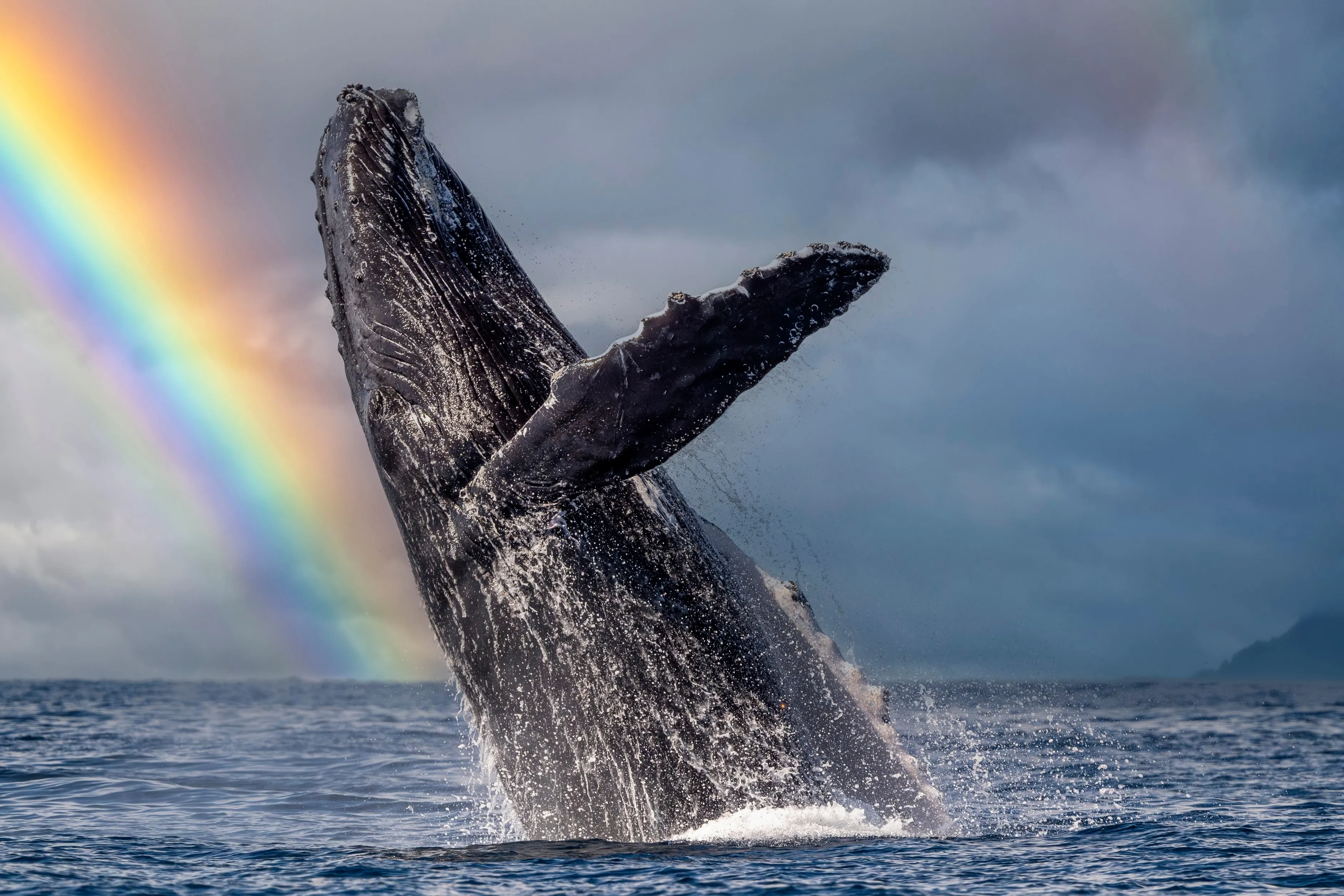
Costa Rica whale watching in December offers excellent humpback sightings as the southern hemisphere migration peaks along the Uvita coast. Whales arrive in late November and remain through early January, with December providing consistent daily activity. Morning departures between 07:30 and 09:00 align with calmer seas and higher whale surface time, while the park's 07:00 opening allows early positioning for boat tours launching from Playa Uvita.
Marino Ballena hosts the longest humpback whale season in the world—two distinct populations converge here across eight months, but December belongs entirely to the Antarctic travelers. These southern migrants cover 8,000 kilometers to reach the warm nursery waters off Uvita, where calving and mating behaviors dominate December sightings. Whale watching in December at Marino Ballena differs sharply from the northern migration months of August and September. Southern humpbacks arrive later in the season, beginning their presence in mid-November and sustaining activity through the first weeks of January. December sits at the statistical center of this window, when pod density peaks and surface behaviors—breaching, tail slapping, pectoral fin displays—occur with the highest frequency. Ocean conditions in December trend calmer than the transitional months, with morning glass-offs common before northeast trade winds pick up after 11:00. Tour operators launch from the beach at Playa Uvita or from the Bahía Ballena estuary, and December's moderate swell patterns allow reliable daily departures. The Whale Tail sandbar, the park's signature geomorphic feature, remains accessible during December low tides but serves as a terrestrial viewpoint rather than a whale observation platform. Humpbacks surface 500 to 2,000 meters offshore, beyond unaided visual range from the sand formation. Boat-based tours provide the functional approach, with bilingual naturalist guides tracking blows and coordinating approaches under SINAC proximity regulations. December sightings average 85–95 percent success across the month, with multi-whale encounters common as mother-calf pairs and competitive male groups overlap in the same coastal zone. Visitors entering Marino Ballena for a December whale watching tour pay the standard conservation fee and typically spend two to three hours on the water. The park's protected marine zone extends five kilometers offshore, encompassing the primary humpback corridor. December's long daylight window and stable weather create forgiving conditions for first-time whale watchers, though seasickness remains a consideration on days when afternoon wind chop develops.
“December sits at the statistical center of the southern migration window, when pod density peaks and surface behaviors occur with the highest frequency.”
Understanding Costa Rica Whale Watching December Seasonality
December marks the beginning of the humpback whale migratory window in Marino Ballena National Park as transition weather settles in. While the northern migration typically peaks later in the winter, December offers favorable marine conditions for early sightings as the rainy season recedes.
Early December
Low crowdsTransitioning weather, 28°C
The end of the rainy season often brings calmer coastal waters.
Mid-December
Moderate crowdsDryer conditions, 29°C
Holiday travel begins to increase visitor volume near the coastline.
Late December
High crowdsStable dry season, 29°C
Peak holiday tourism may impact local availability and activity pacing.
Verdict: Early December is the optimal time to visit for a balance of transitioning weather and manageable visitor numbers.
Marino Ballena National Park Opening Hours for Costa Rica Whale Watching December Trips
Marino Ballena National Park is open daily to visitors throughout the month of December. You may consult the official site at https://www.sinac.go.cr/ES/ac/acosa/pnmb/Paginas/default.aspx for additional park information.
| Monday | 07:00–16:00 | |
|---|---|---|
| Tuesday | 07:00–16:00 | |
| Wednesday | 07:00–16:00 | |
| Thursday | 07:00–16:00 | |
| Friday | 07:00–16:00 | |
| Saturday | 07:00–16:00 | |
| Sunday | 07:00–16:00 |
Getting to Uvita for Costa Rica Whale Watching December Expeditions
Marino Ballena National Park is located in Uvita, Puntarenas Province. Access is primarily achieved via the Costanera Sur Highway (Route 34) which connects major coastal towns to the park entrance.
Route 34 (Costanera Sur) to Uvita
Tracopa line to Uvita center
From Uvita center to park entrance
Key Landmarks to See During Costa Rica Whale Watching December Tours
Marino Ballena National Park offers distinct geological and marine features that become accessible when exploring the coastline. Observing these landmarks requires careful attention to tidal changes throughout the day.
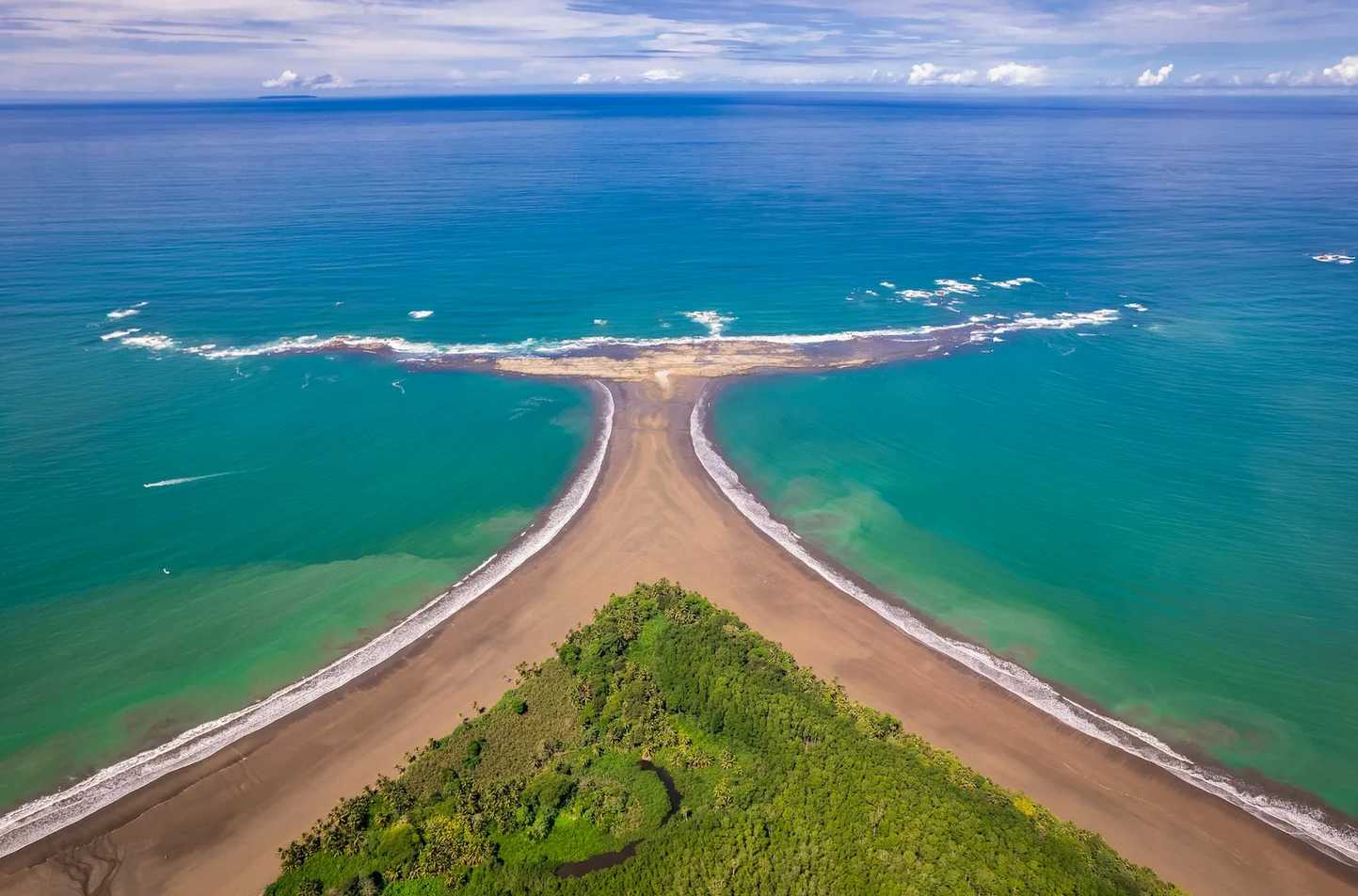
Punta Uvita Whale Tail
A natural sand and rock formation shaped like a whale's tail, visible primarily during low tide. It extends nearly a kilometer into the ocean.
Walk the sandbar during low tide to see tide pools.
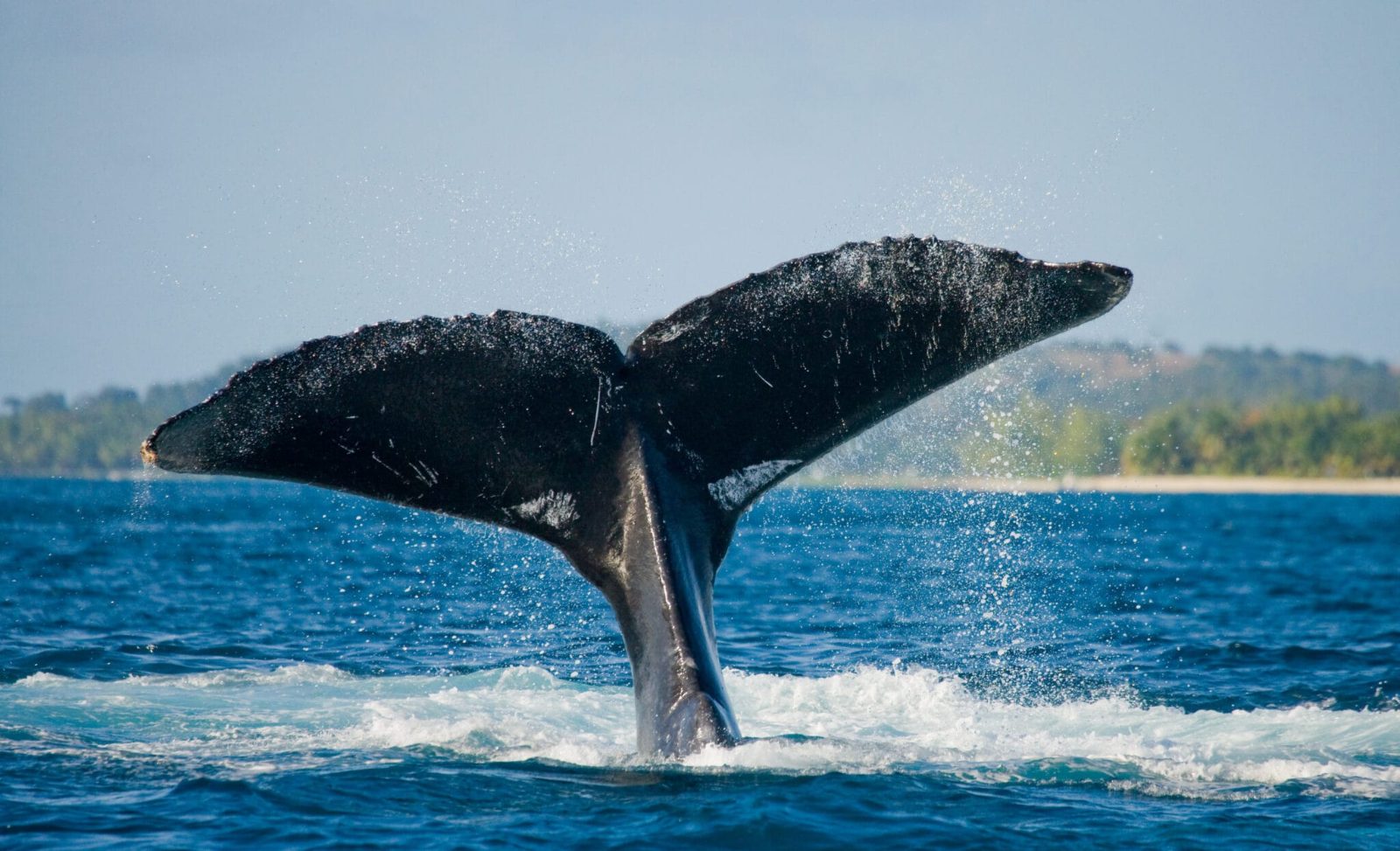
Ballena Rocks
Located near the Whale Tail, these rock formations provide vital nesting grounds for seabirds. They serve as a marker for marine life sightings in the surrounding waters.
Observe the bird colonies from your boat at a distance.
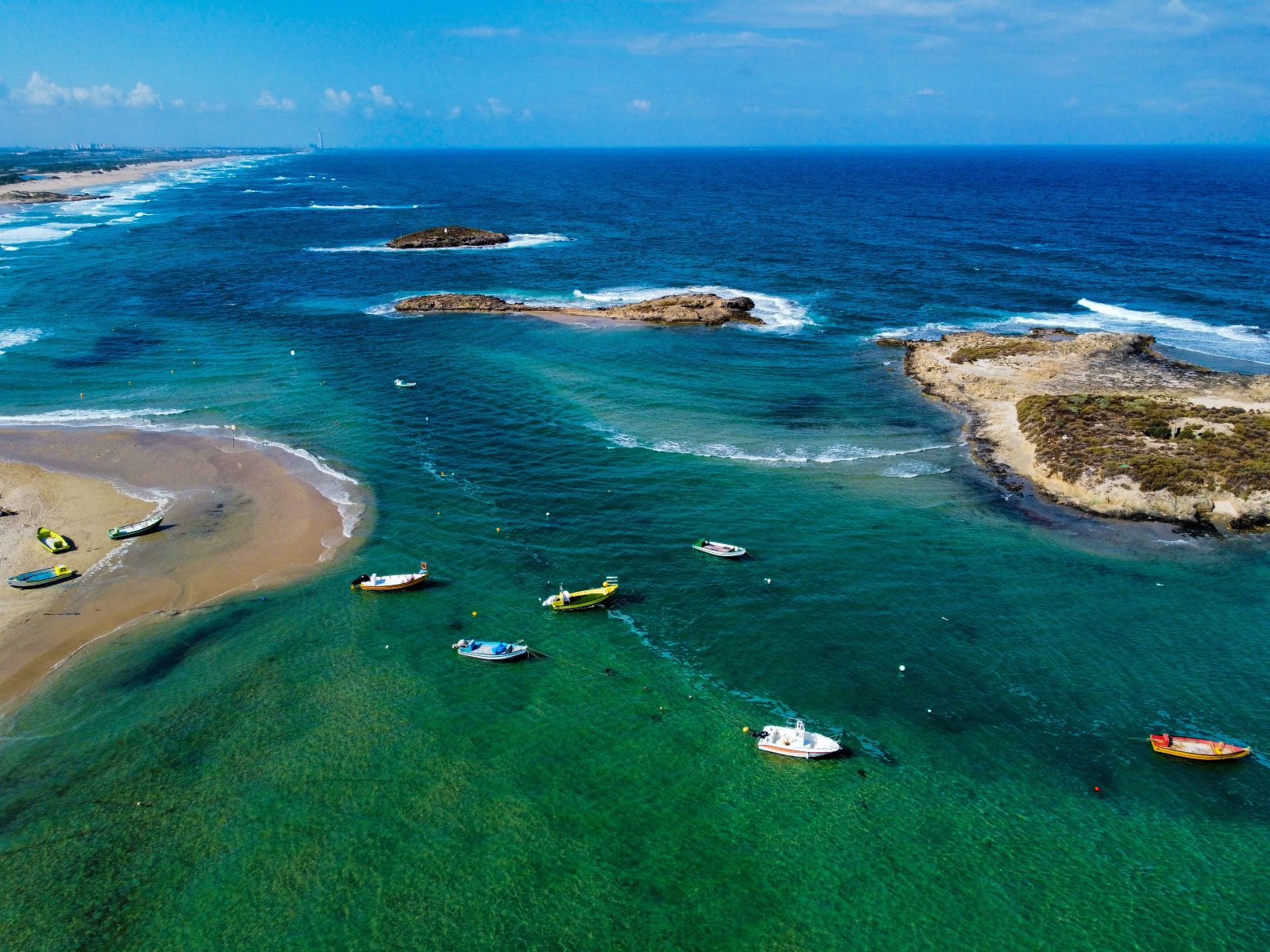
Tres Hermanas Islets
These three small islands are situated near the park and are known for their coral reefs. They offer a protected environment for various species of tropical fish.
Look for schools of fish near the reef edges.
Playa Colonia
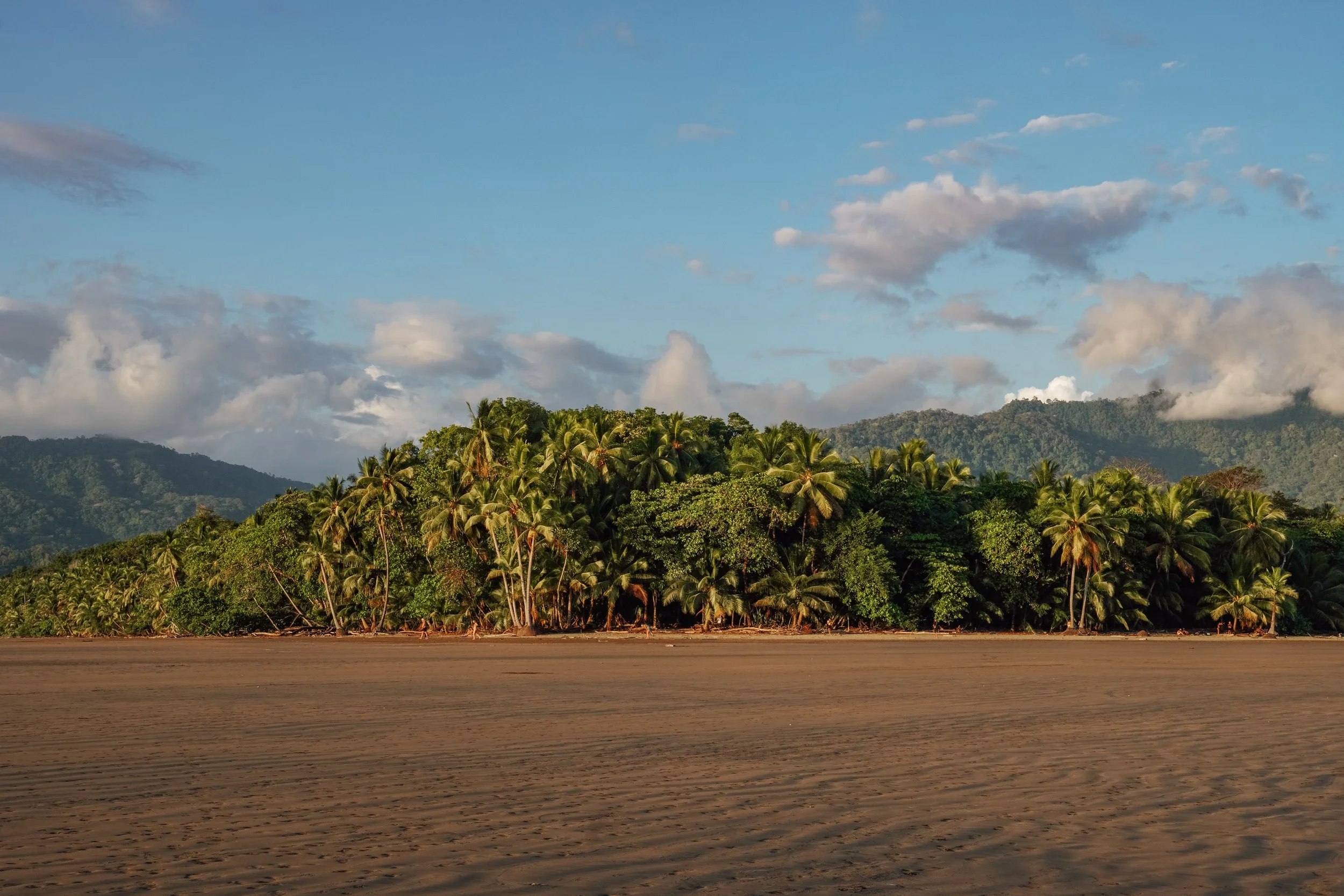
A calm beach area adjacent to the park entrance often used as a departure point for water-based excursions. The gentle waters make it a consistent spot for observing coastal scenery.
Visit early in the morning for calm water conditions.
Preparation Checklist for Costa Rica Whale Watching December
December whale watching requires specific gear and preparation to handle tropical conditions and park regulations.
-
Book your whale watching tour in advance
-
December is peak humpback season and operators fill quickly.
-
Pack reef-safe sunscreen and a wide-brimmed hat
-
The park prohibits non-reef-safe products and tropical sun is intense between 10:00–14:00.
-
Bring a refillable water bottle (no single-use plastic)
-
Marino Ballena enforces a strict no-plastics policy to protect marine life.
-
Download a tide chart for Uvita
-
The Whale Tail sandbar is only accessible during low tide windows.
-
Carry small bills or a card for the entrance fee
-
The 6 USD conservation fee is payable by card only at the ranger station.
-
Wear water shoes or sandals with grip
-
Rocky sections and tidal pools require stable footwear, especially on the sandbar approach.
Check availability
Frequently asked questions about costa rica whale watching december
Everything you need to know about costa rica whale watching december