

Quick answer
Whale watching Costa Rica Pacific Coast occurs during two distinct seasons at Marino Ballena National Park: December through April when humpbacks migrate from the Northern Hemisphere, and July through November when Southern Hemisphere populations arrive. The park is open daily from 07:00 to 16:00 with a $6 USD conservation fee per person. Arriving between 07:00 and 10:00 aligns with low tide for walking the Whale Tail sandbar and avoids midday heat.
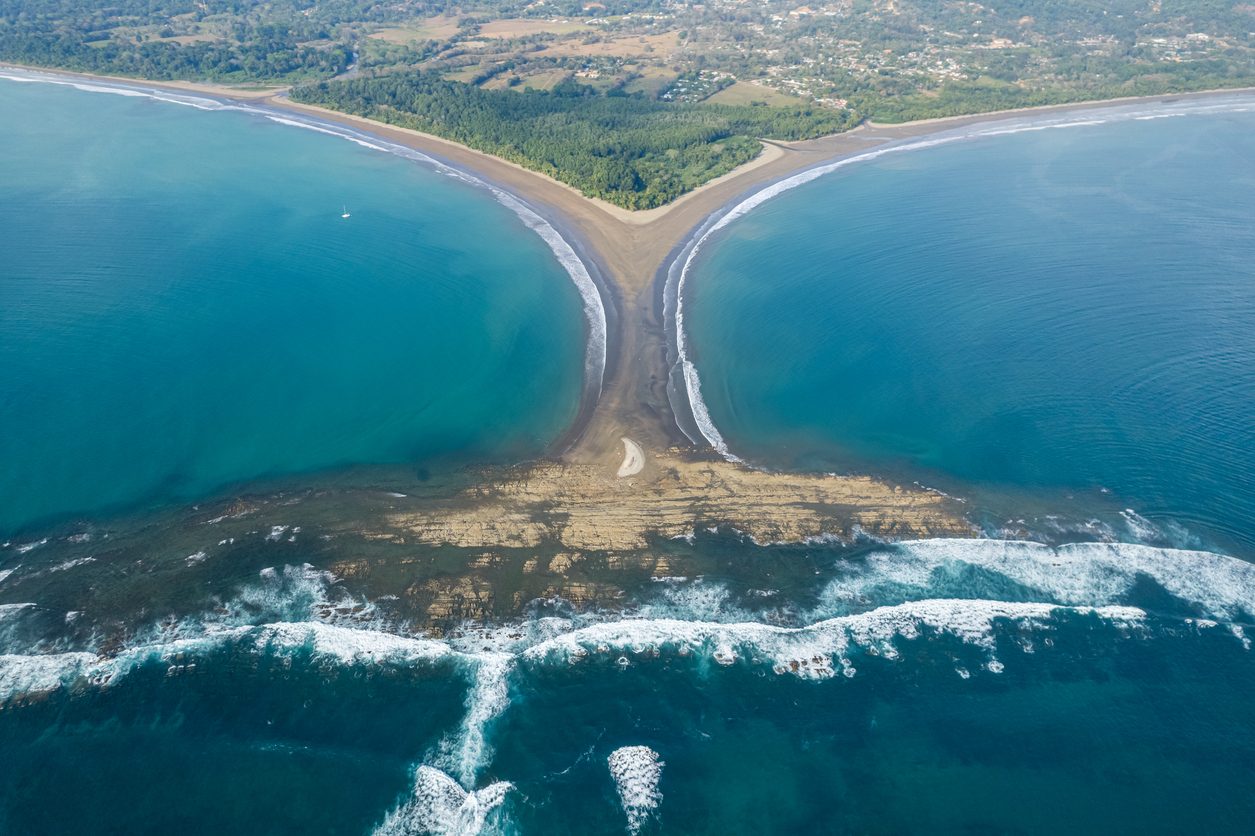
Marino Ballena became the first marine protected area in Central America specifically designed to safeguard migrating cetaceans when it was established in 1990. The park's name translates directly to Marine Whale, reflecting its core mission to protect breeding and calving grounds for humpback whales traveling over 5,000 miles from polar feeding waters. Two separate humpback populations use these warm Pacific waters as nurseries, creating the longest humpback season in the world. Northern Hemisphere whales arrive in December after feeding in Alaska and depart by April, overlapping briefly with early arrivals from Antarctica. Southern Hemisphere mothers and calves dominate from July through November, with peak sightings in September and October when newborn calves practice breaching alongside protective adults. This dual migration means whale watching on Costa Rica's Pacific coast offers reliable sightings across eight months annually, a phenomenon found in few other locations globally. The Whale Tail formation extends nearly half a mile into the ocean during the lowest tides, creating tidal pools and exposed coral gardens. The sandbar's shape becomes fully visible only from elevated viewpoints or aerial perspectives, though visitors walking its length at low tide can observe tide-dependent marine life in temporary pools. Snorkeling conditions improve dramatically during dry season months from December through April when river runoff decreases and visibility extends beyond 50 feet. Beyond humpbacks, the park's boundaries protect resident pods of bottlenose dolphins, occasional orca transits, and seasonal visits from pilot whales and false killer whales. Olive ridley and hawksbill sea turtles nest on Playa Uvita and Playa Colonia between April and October. The coral reefs near Isla Ballena support over 25 species of reef fish, making the park a year-round destination even outside peak whale months. Visiting whale watching Costa Rica Pacific coast locations requires understanding tidal cycles and seasonal weather patterns that directly affect both marine visibility and sandbar access.
“Marino Ballena hosts the longest humpback whale season in the world, with two separate populations arriving from opposite hemispheres.”
When to Experience Whale Watching Costa Rica Pacific Coast
The primary whale watching season at Marino Ballena occurs in two distinct windows, shaped by the migration of humpback whales from both northern and southern hemispheres. Planning your boat tour to align with these seasonal peaks and specific tide-dependent morning departures ensures the most consistent conditions for observation.
August to October
Moderate crowdsHumid, 28°C–32°C
This period marks the peak of the southern migration, offering high activity levels for mother and calf pods.
January to March
High crowdsDry and sunny, 29°C–33°C
Humpbacks from the northern Pacific migrate through these waters, providing consistent sightings in drier conditions.
Daily mornings
Consistent—
Morning departures between 07:00 and 10:00 often provide calmer sea conditions and allow visitors to align boat schedules with low tide cycles.
Verdict: The most effective time to visit is during the peak of the southern migration from August to September, prioritizing early morning departures to optimize sea conditions.
Operating Hours for Whale Watching Costa Rica Pacific Coast Access
Marino Ballena National Park operates on a consistent daily schedule throughout the week. Visitors are encouraged to align their visit with the recommended morning arrival window to avoid peak heat and facilitate access to the Whale Tail sandbar during low tide.
| Monday | 07:00–16:00 | |
|---|---|---|
| Tuesday | 07:00–16:00 | |
| Wednesday | 07:00–16:00 | |
| Thursday | 07:00–16:00 | |
| Friday | 07:00–16:00 | |
| Saturday | 07:00–16:00 | |
| Sunday | 07:00–16:00 |
How to Arrive at Whale Watching Costa Rica Pacific Coast Locations
Marino Ballena National Park is situated in the town of Uvita within the Puntarenas Province. The most direct approach for visitors traveling by road is via the Costanera Sur Highway (Route 34).
Highway 34 to Uvita turnoff
Tracopa bus to Uvita station
Local transit to Uvita park entrance
Key Zones at Whale Watching Costa Rica Pacific Coast
Marino Ballena National Park protects significant marine biodiversity and distinct geological formations along the Pacific coast. The park's geography provides varied vantage points for observing migratory species and local marine life.
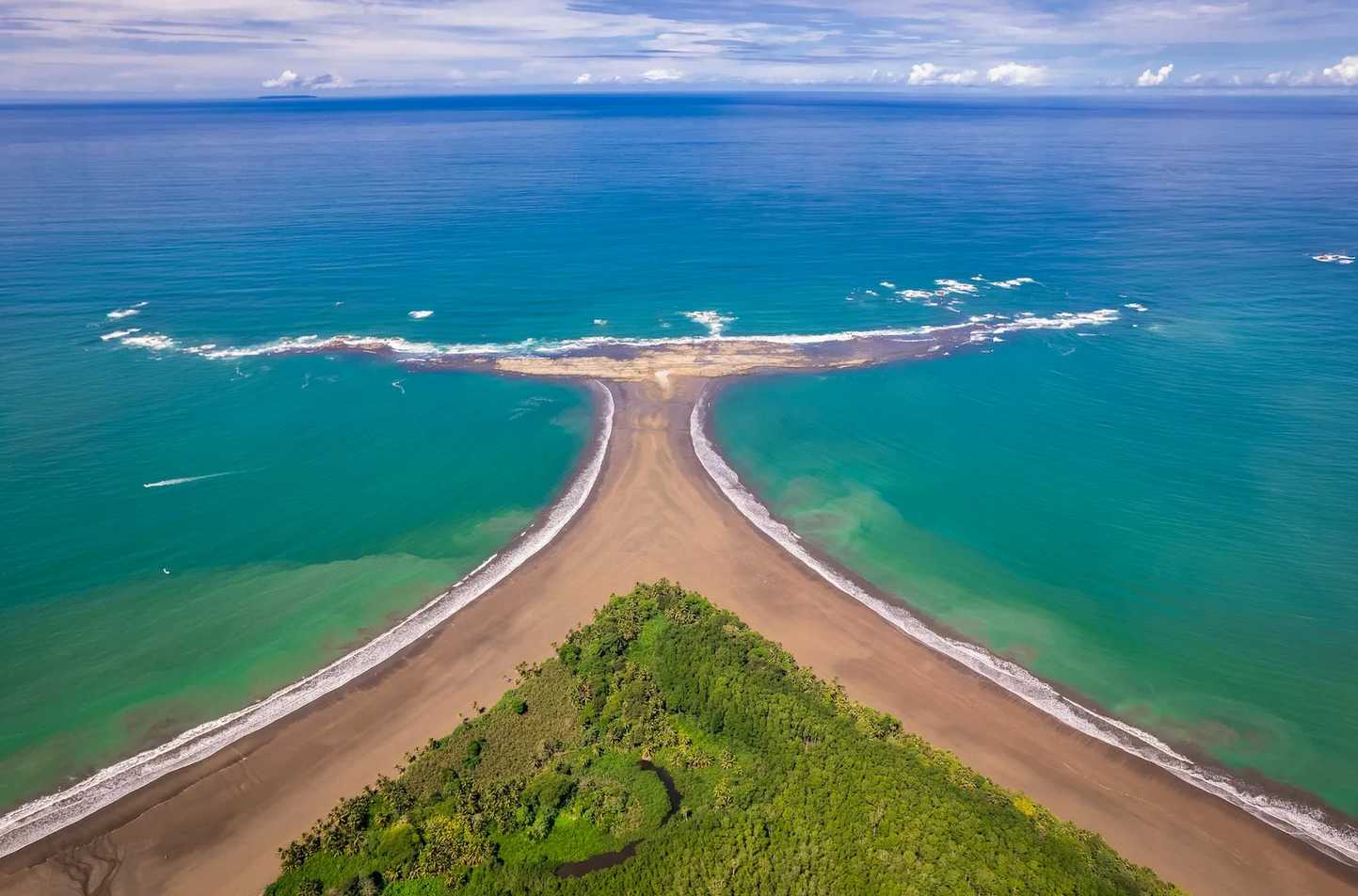
Punta Uvita Whale Tail
A natural tombolo formed by sediment accumulation that resembles the fluke of a whale at low tide.
Walk to the tip during low tide for panoramic views.
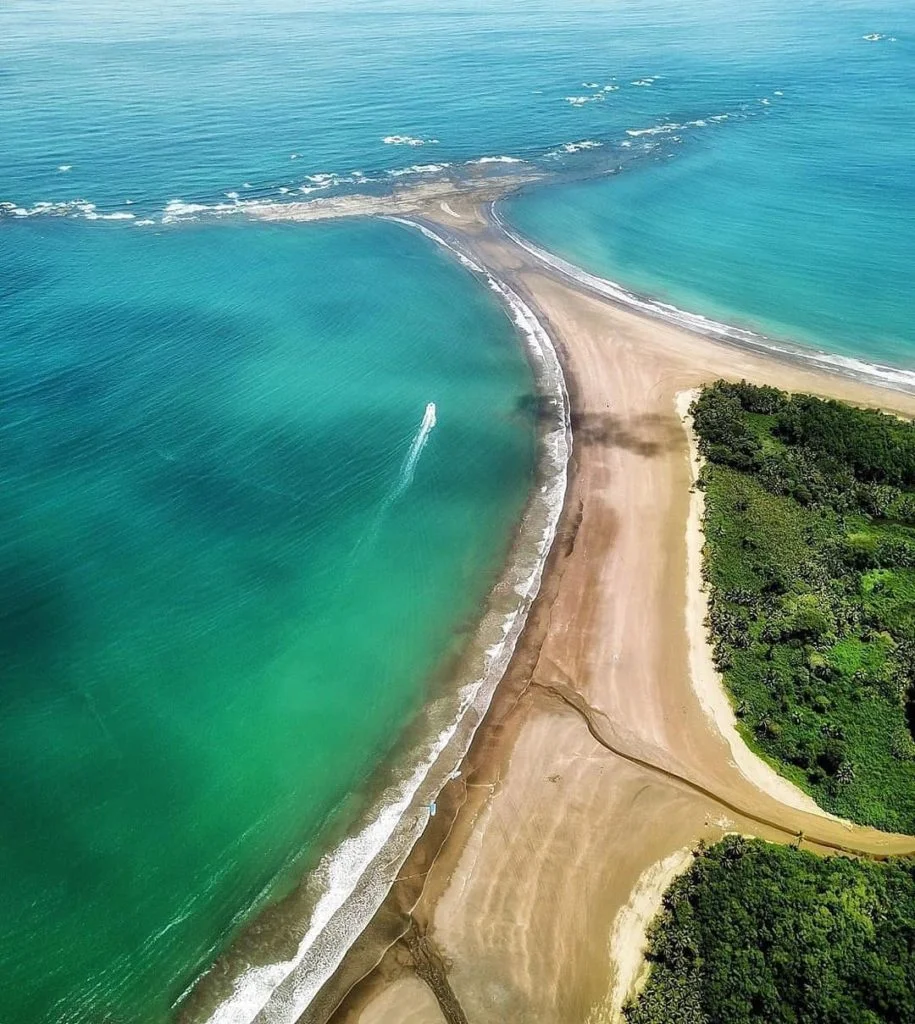
Ballena Marine Sanctuary
A protected area encompassing coral reefs and rocky shorelines that host diverse fish and marine invertebrates.
Observe reef areas during calm sea conditions for visibility.
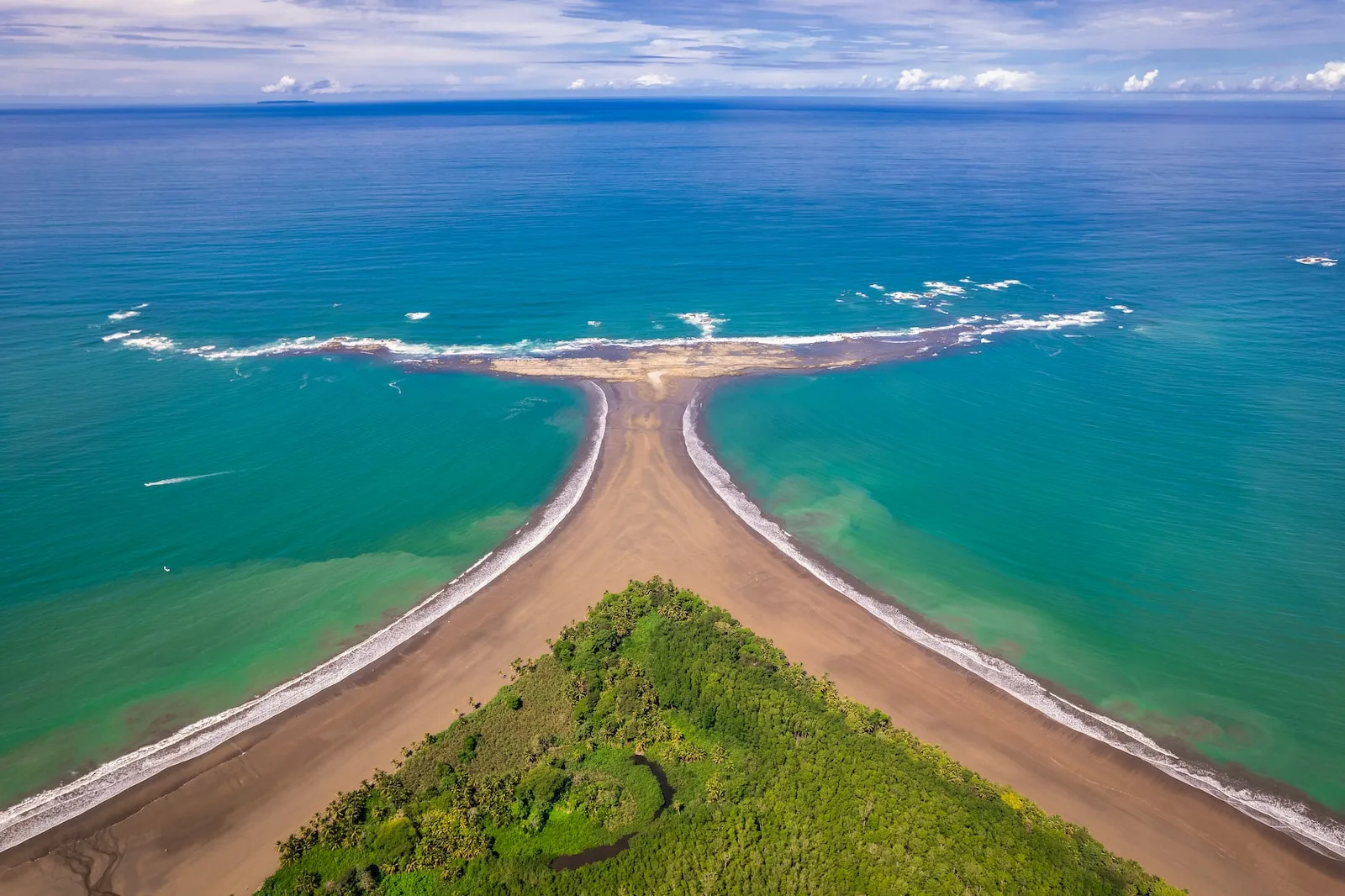
Playa Ballena
A beach bordering the park featuring dense tropical vegetation and nesting areas for various coastal birds.
Walk the coastline in the morning to spot shorebirds.
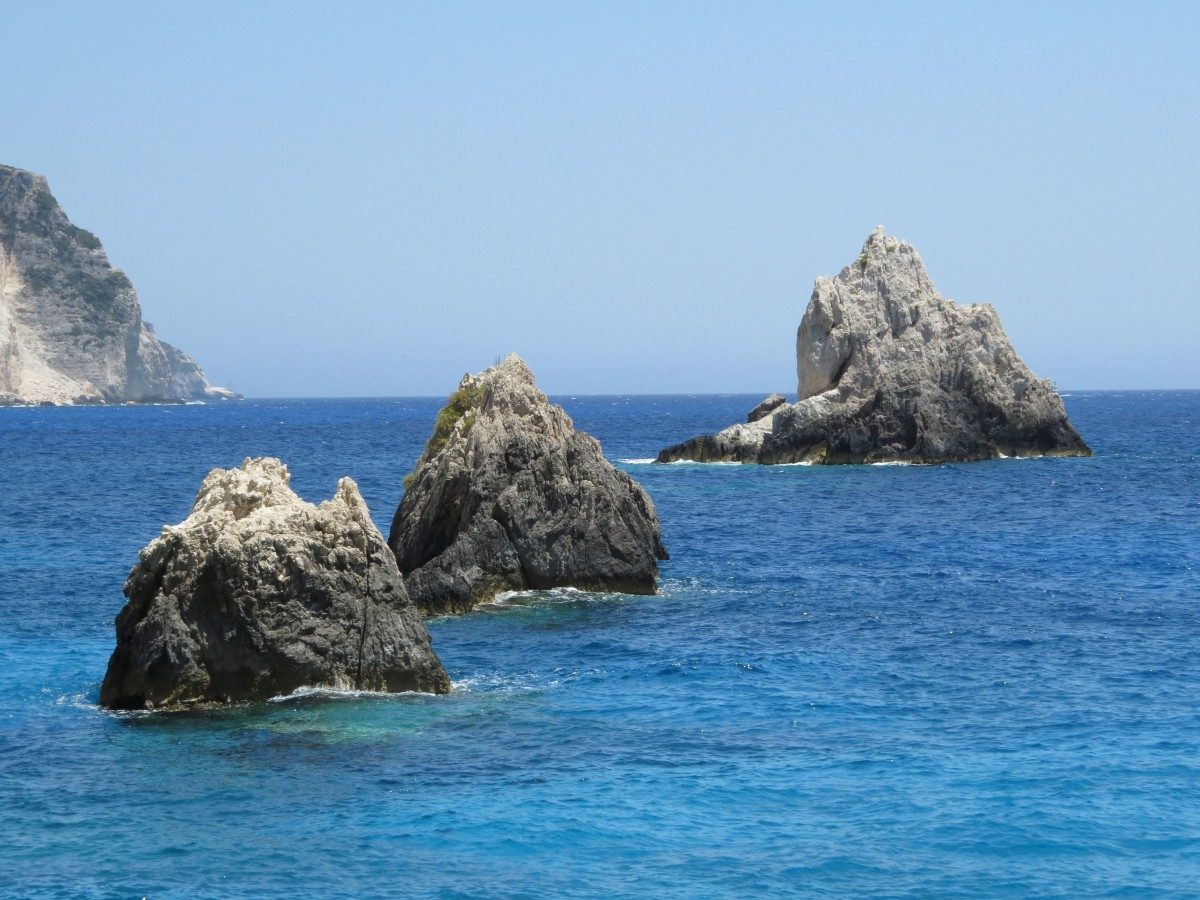
Tres Hermanas Islets
A group of three rock formations located offshore that serve as critical resting sites for marine birds.
View these structures from a boat to see nesting colonies.
Preparation Checklist for Whale Watching Costa Rica Pacific Coast
A few simple steps ensure you're ready for the park's tropical conditions and tidal schedule.
-
Bring reef-safe sunscreen and a hat — The park has minimal shade and equatorial sun is intense.
-
Pack water and light snacks — No food vendors operate inside the park boundaries.
-
Wear water shoes or sandals — Rocky tidal pools and coral fragments line the beach.
-
Confirm low tide times before visiting — The Whale Tail sandbar is only accessible at low tide.
-
Carry cash for the entrance fee — Card payment is not available at the ranger station.
-
Download offline maps of Uvita — Cell coverage is unreliable in the park and surrounding areas.
Check availability
Frequently Asked Questions: Whale Watching Costa Rica Pacific Coast
Everything you need to know about whale watching costa rica pacific coast