English| EUR
Suggested for you
More currencies
Book Now
Open today · 07:00–16:00

Costa Rica Whale Watching Uvita

Costa Rica Whale Watching Uvita — Marino Ballena Boat Tours

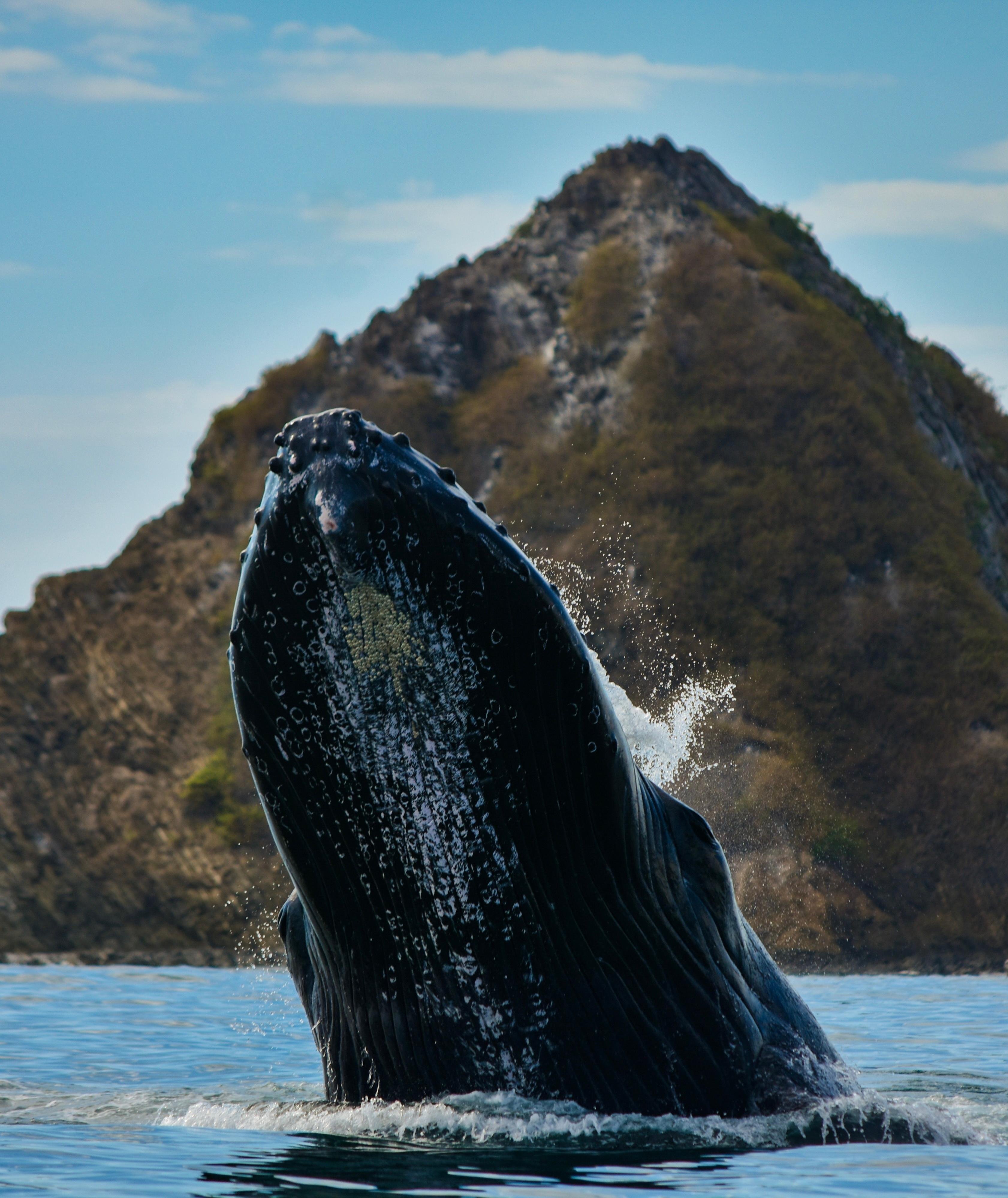
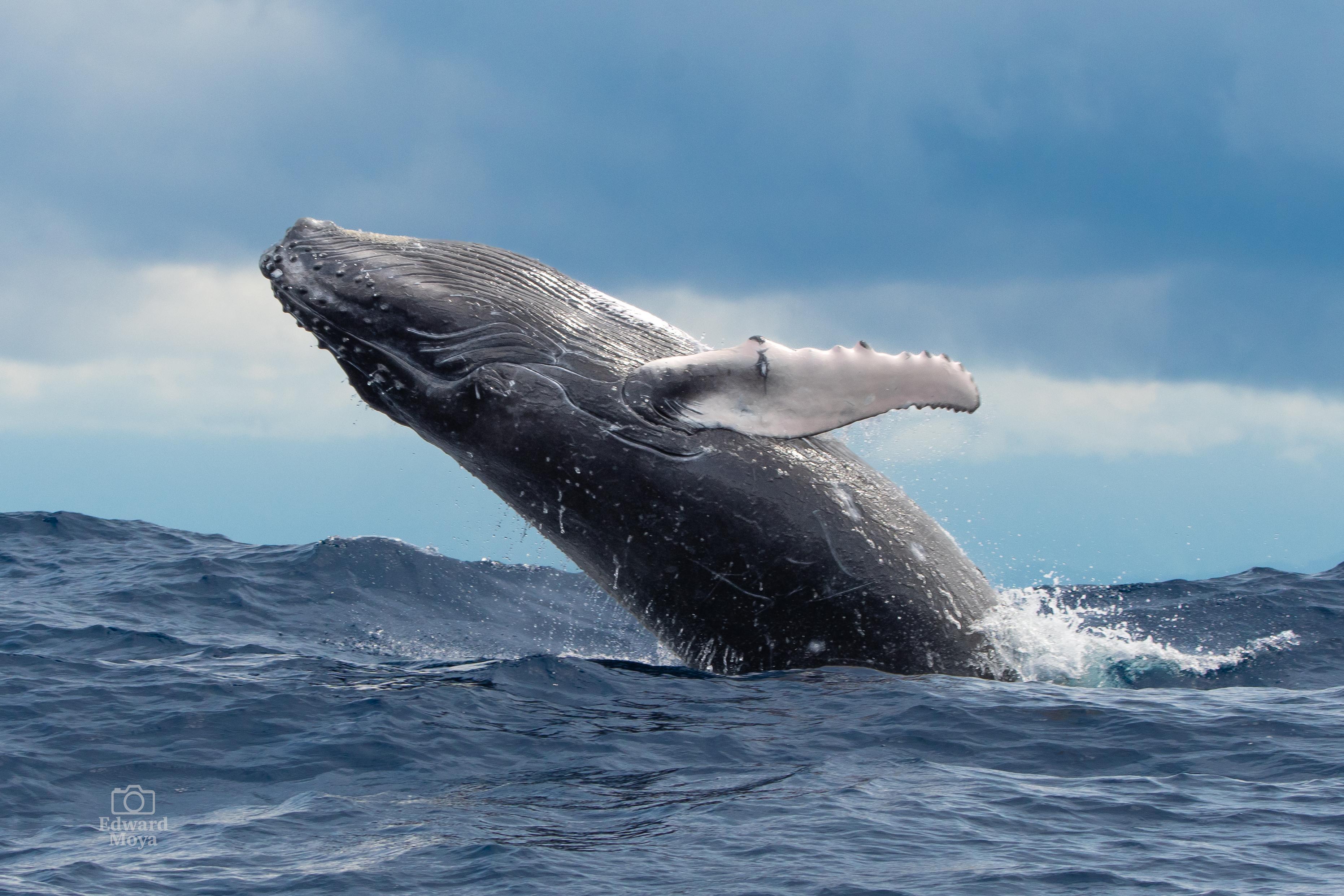
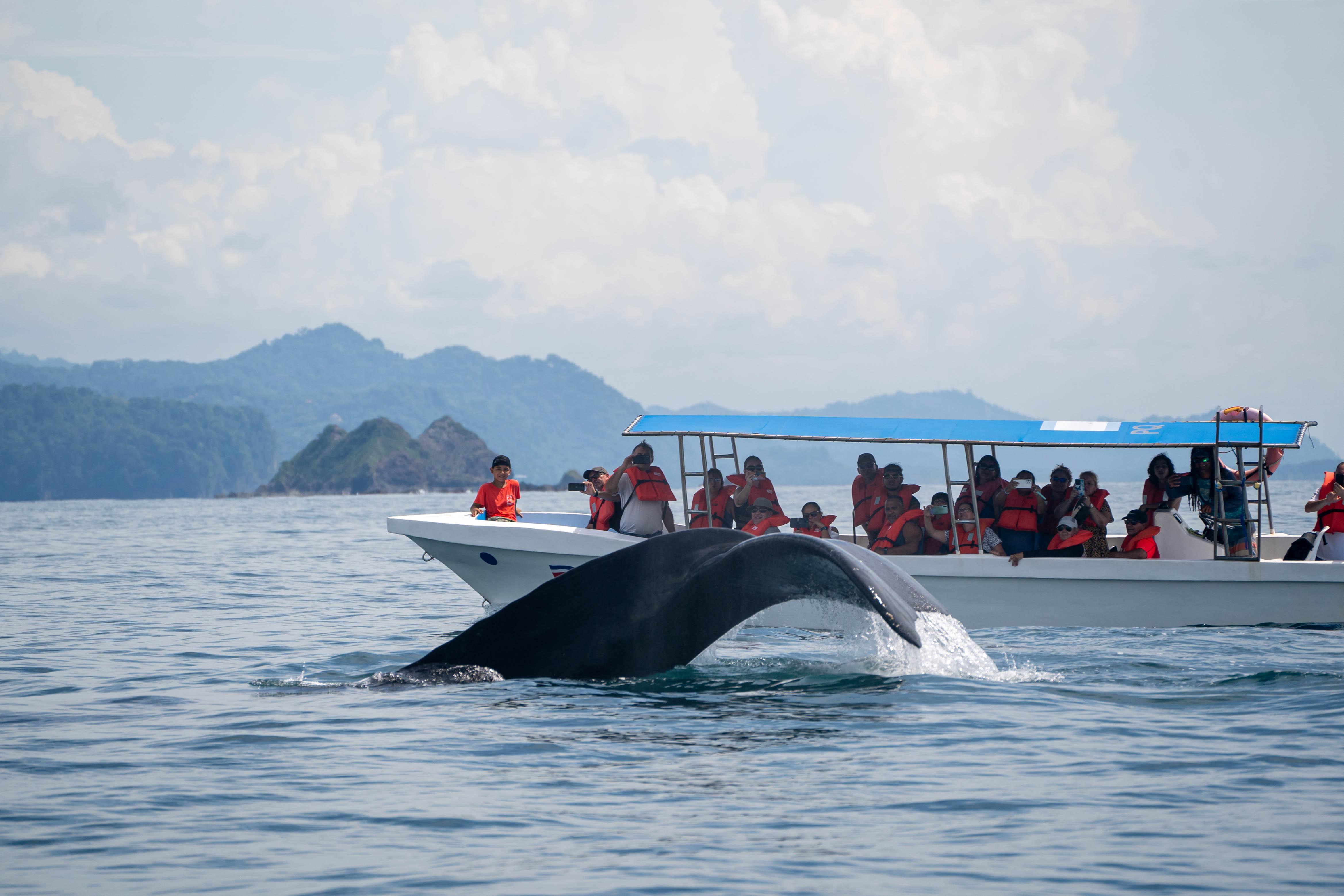
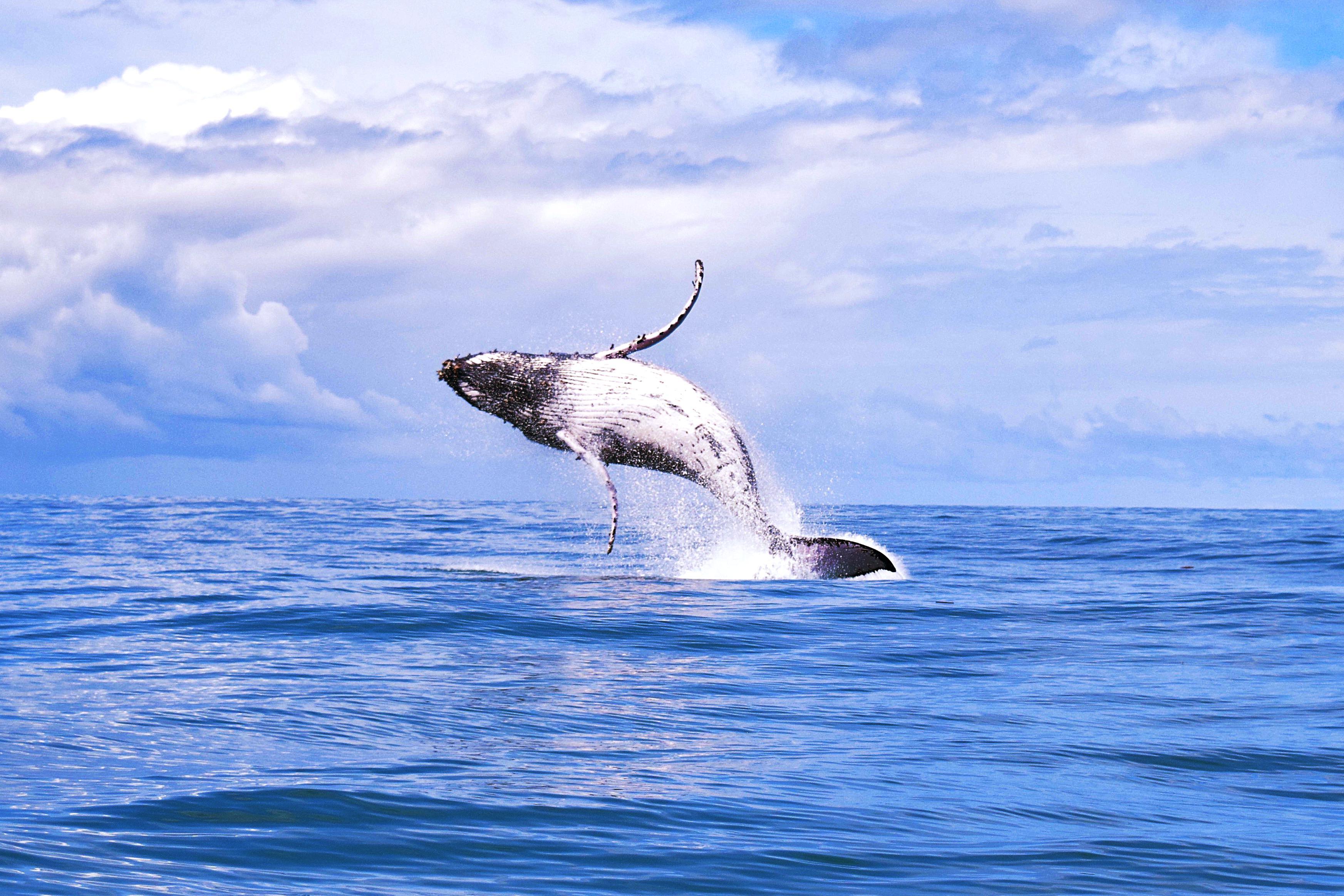
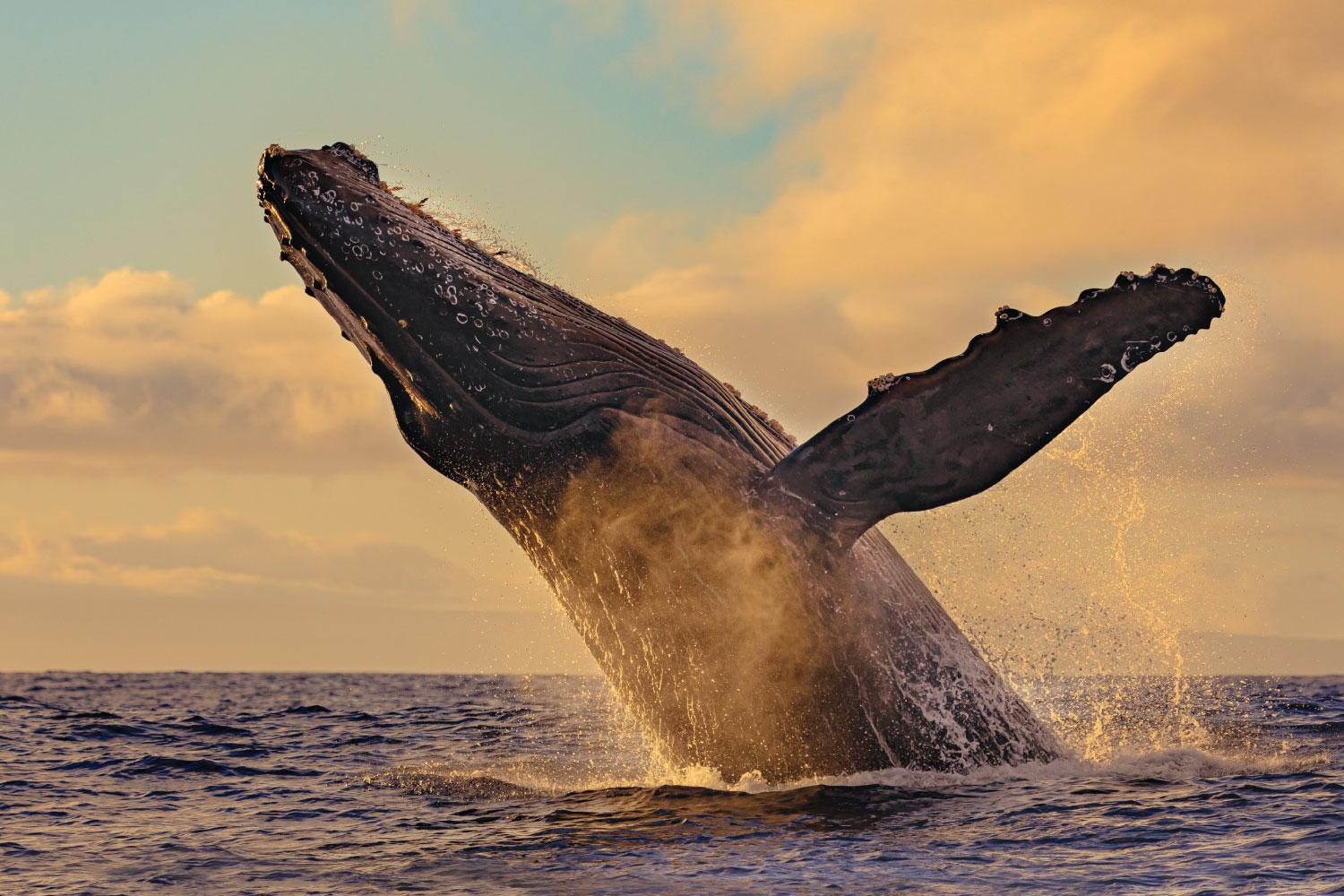
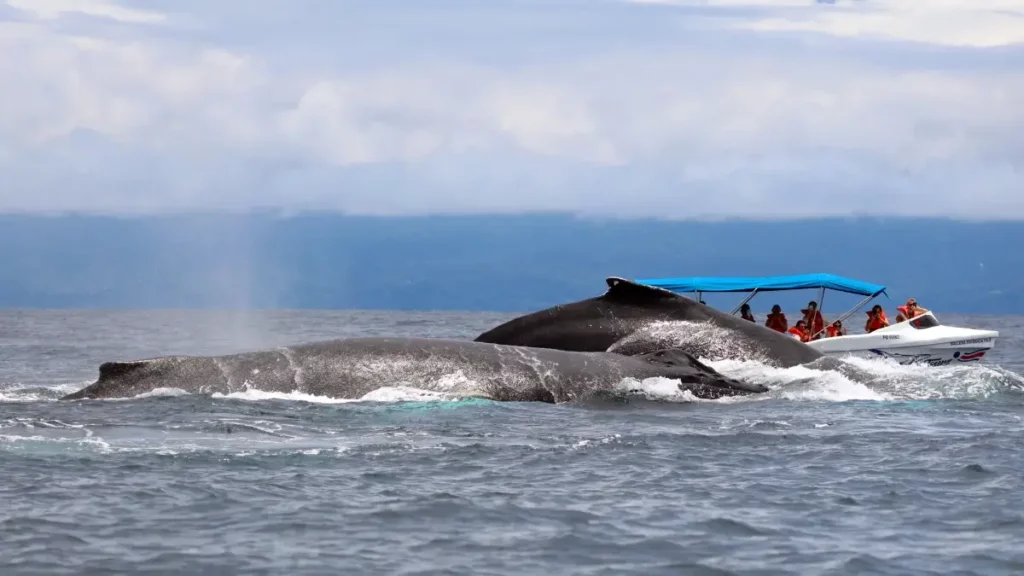
Humpback whales breach off Uvita's coast, dolphins race the bow wake

50K+ travelers chose this
Free Cancellation
Right now: Moderate — September season Wear sun protection and expect potential tropical rain showers.
Free Cancellation
Instant confirmation Mobile voucher Free cancellation Verified partner Skip-the-line
6 USD
Entry fee
Plus tax, per person
1992
Established
Legitimized by executive order
5,331 ha
Total area
Marine and terrestrial combined
650 m
Whale Tail length
Visible at low tide
144K
Annual visitors
Approximate yearly attendance
Choose your ticket

Costa Rica Whale Watching Uvita tickets at a glance

Compare fares, pick the fit — all bookings are mobile-voucher and eligible for free cancellation where shown.

Marino Ballena Whale Watching Adventure 3 hr
Standard Entry

Marino Ballena Whale Watching Adventure

4.5 (106)
€90
  • Entry ticket
  • Mobile voucher
  • Valid same day
  • Free cancellation
Book this ticket
Humpback Whale Watching Tour in Uvita 3 hr
Standard Entry

Humpback Whale Watching Tour in Uvita

4.8 (23)
€83
  • Entry ticket
  • Mobile voucher
  • Valid same day
  • Free cancellation
Book this ticket
Compare options

Compare Costa Rica Whale Watching Uvita ticket options

Experience DurationRatingGuideSmall groupFree cancel. Price
Standard Entry
Most popular
Uvita Marine Wildlife Boat Adventure
3 hr 30 min★ 4.5 €82 Book →
Standard Entry
Marino Ballena Whale Watching Adventure
3 hr★ 4.5 €90 Book →
Standard Entry
Humpback Whale Watching Tour in Uvita
3 hr★ 4.8 €83 Book →

Is Costa Rica Whale Watching Uvita Worth the Expense?

Worth it for marine wildlife enthusiasts

Costa rica whale watching uvita delivers exceptional value through Marino Ballena National Park, where the 6 USD conservation fee protects one of Central America's most biodiverse marine corridors. The park's positioning along migratory routes yields reliable humpback whale sightings during two distinct seasons—December through April and July through October—making it one of the few global destinations with year-round potential. Dolphin pods, sea turtles, and seasonal whale shark appearances add depth beyond the marquee attraction. The conservation fee funds habitat protection and research programs that maintain these encounter rates. Costa rica whale watching uvita tours build on this foundation, combining boat access to deeper channels where breaching behaviors occur with naturalist expertise that transforms sightings into educational experiences. The combination of protected waters, seasonal reliability, and accessible pricing creates strong value for wildlife-focused travelers. Casual beachgoers seeking only shoreline relaxation may find the marine emphasis less compelling, but anyone prioritizing animal encounters in their natural habitat will find the investment justified by both frequency and diversity of sightings.

What makes it worth it

  • Two annual whale migration windows maximize sighting probability
  • 6 USD conservation fee protects critical marine habitat
  • Frequent dolphin and sea turtle encounters year-round
  • Naturalist-led tours provide ecological context and identification skills
  • Calm protected waters allow close observation of surface behaviors

Keep in mind

  • Sightings never guaranteed despite high probability
  • Boat tours required for optimal whale encounters
  • September conditions can limit visibility
  • Limited facilities within the park itself

Bottom line: The marine mammal watching experience in Uvita offers rare value where modest fees unlock consistent wildlife access in protected waters.

Head to head

Costa Rica Whale Watching Uvita vs. Drake Bay — Which Is Better?

They complement each other; most visitors who do both call Marino Ballena the more accessible costa rica whale watching uvita tour location, while Drake Bay offers a more remote, intimate wildlife experience.

Top pick
Marino Ballena
Drake Bay
Departure style Dock or boat access
Primary draw Caño Island proximity
Accessibility Boat or flight only
Atmosphere Remote, biodiverse village
Wildlife focus Diverse marine & jungle mix
Traveler profile Adventurous nature enthusiasts

Verdict: Choose Marino Ballena if you want convenient access to the famous Whale Tail, or opt for Drake Bay if you seek an exclusive, wild setting for your next costa rica whale watching uvita experience.

Featured Experiences

Popular Costa Rica Whale Watching Uvita tours & activities

Hand-picked experiences loved by thousands of travelers

Recommended Experience

Powered by GetYourGuide

Another traveler favorite

Powered by GetYourGuide
Whale & Dolphin Watching Boat Tour in Marino Ballena National Park 1 day Free Cancellation

Whale & Dolphin Watching Boat Tour in Marino Ballena National Park

Cruise through protected waters searching for humpback whales, dolphins, and sea turtles while exploring coastal rock formations

4.5 (98)
FromFrom €79.22
See details
Marine Mammal Watching Experience in Uvita 3 hours Free Cancellation

Marine Mammal Watching Experience in Uvita

Encounter humpback whales, playful dolphins, and seabirds during an unforgettable ocean adventure.

4.2 (29)
FromFrom €79.99
See details
Private Whale & Dolphin Watching in Uvita 3.5 hours Free Cancellation

Private Whale & Dolphin Watching in Uvita

Embark on an exclusive marine adventure searching for humpback whales and dolphins in protected waters

FromFrom €1377.7
See details
Caño Island Snorkeling Adventure from Uvita Full day (approximately 7.5 hours) Free Cancellation

Caño Island Snorkeling Adventure from Uvita

Discover vibrant coral reefs and tropical marine life on a full-day snorkeling expedition to protected waters

4.7 (95)
FromFrom €137.77
See details
Marino Ballena National Park Nature Walk 3 hours Free Cancellation

Marino Ballena National Park Nature Walk

Discover coastal ecosystems and wildlife on a guided trek through Costa Rica's marine wonderland

4.9 (79)
FromFrom €55.97
See details
Your journey

Your Costa Rica Whale Watching Uvita day, step by step

1

Entrance Check-in

Register and pay the conservation fee at the park station.

2

Beach Access

Walk toward the coastline to observe the Whale Tail formation.

3

Boat Departure

Board your vessel for a guided costa rica whale watching uvita excursion.

What you'll see

What you'll see at Costa Rica Whale Watching Uvita

The Whale Tail

The Whale Tail

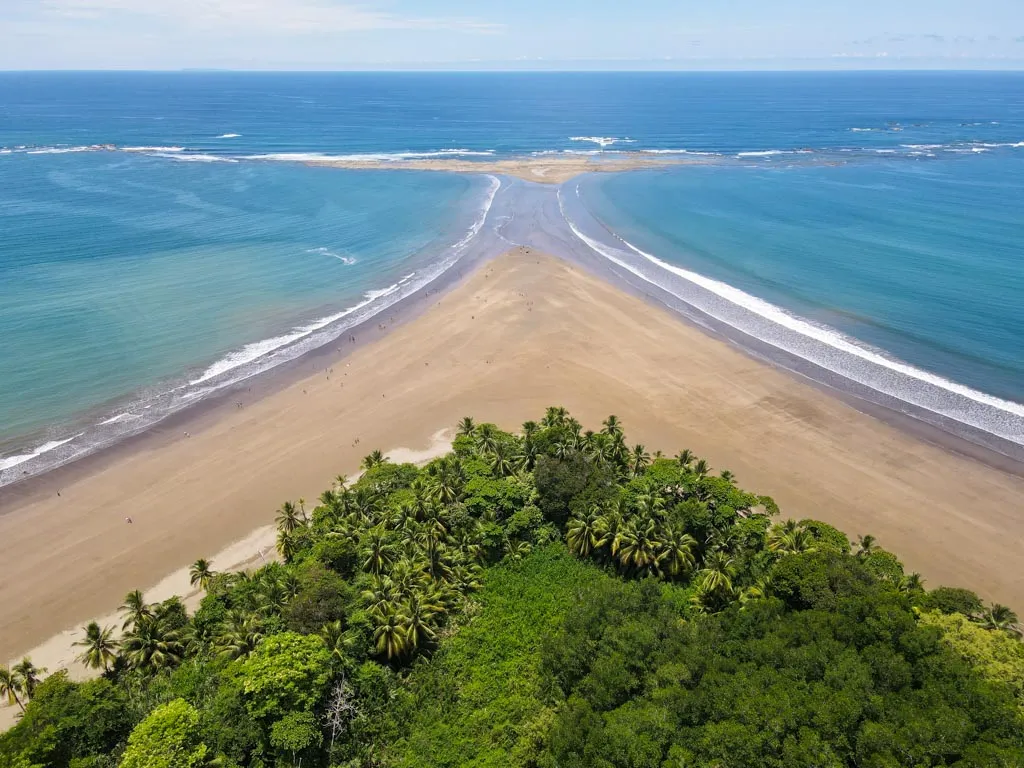
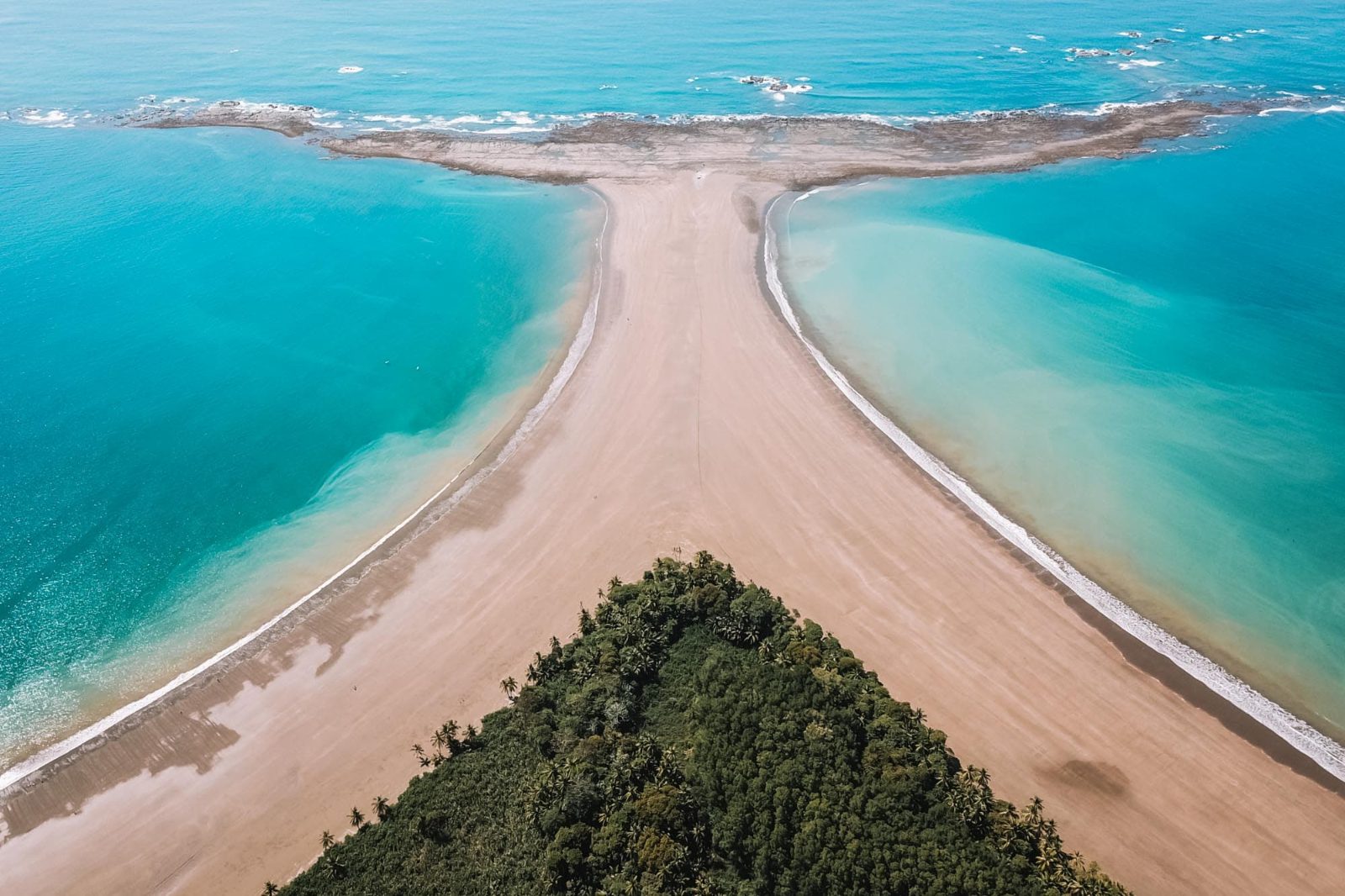
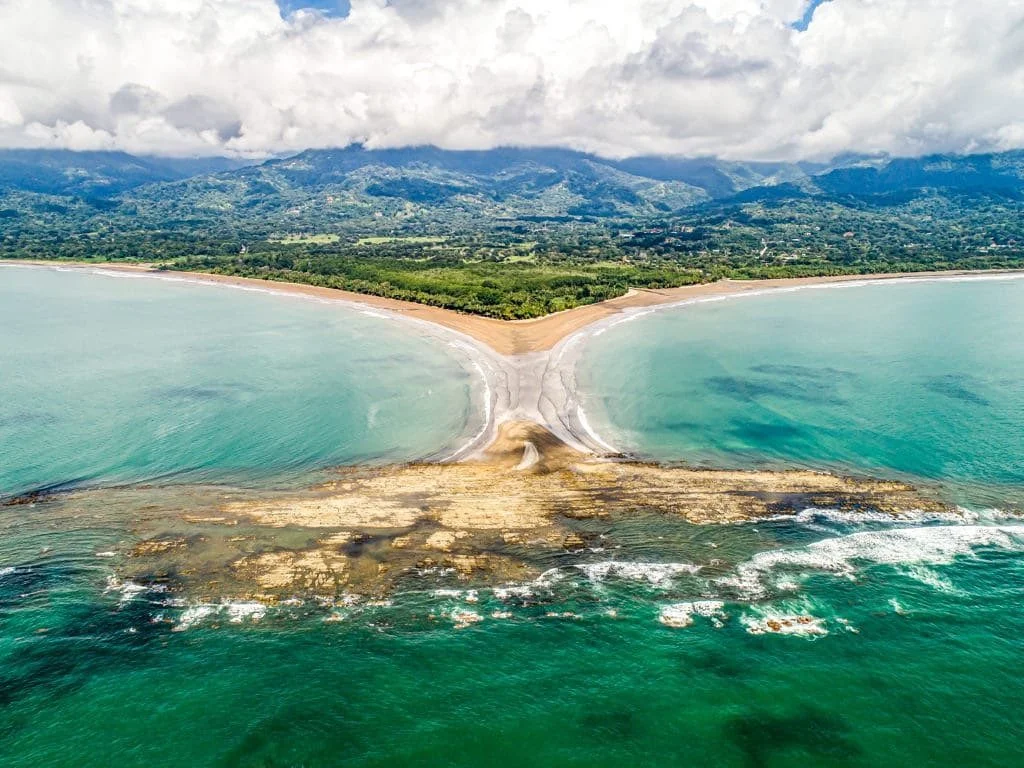
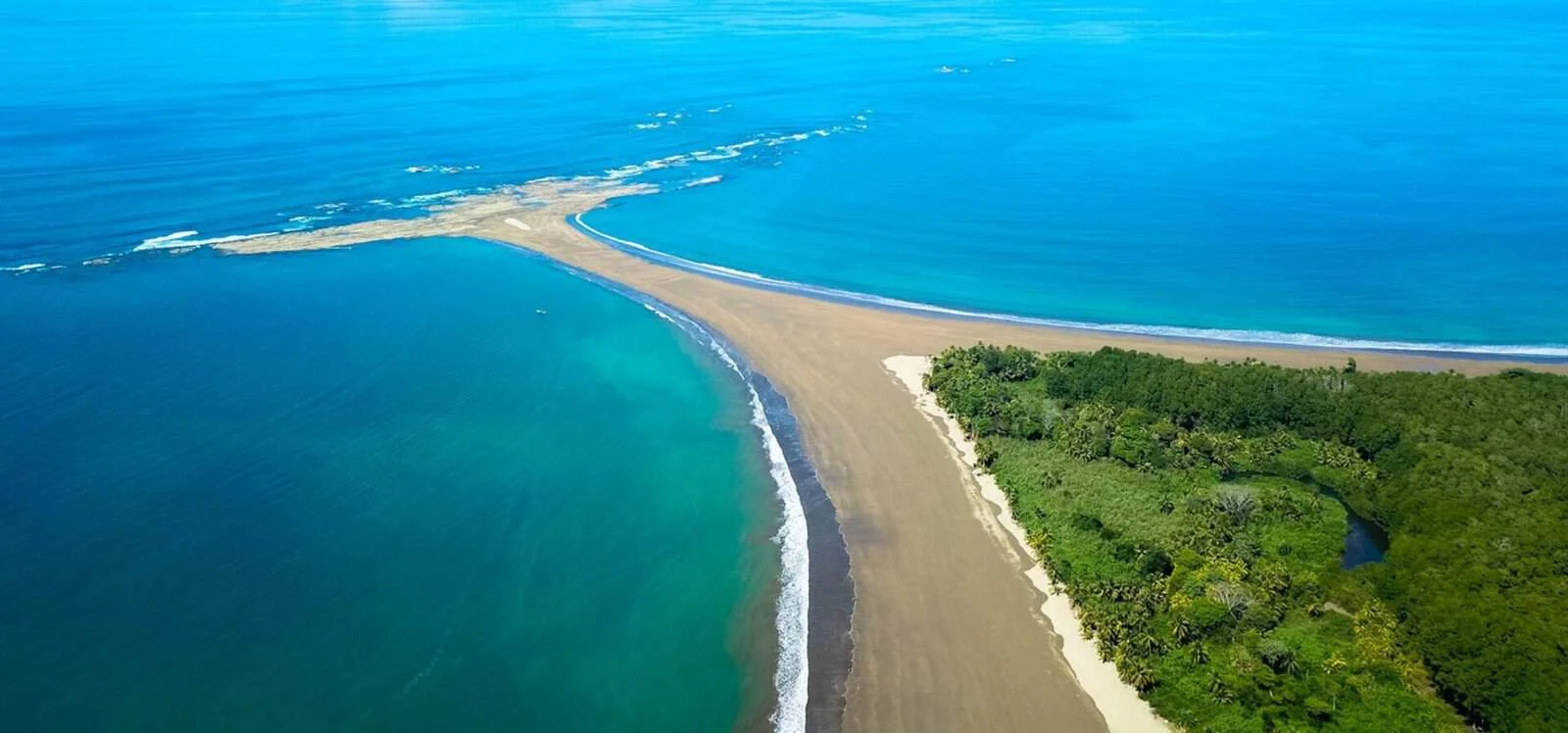
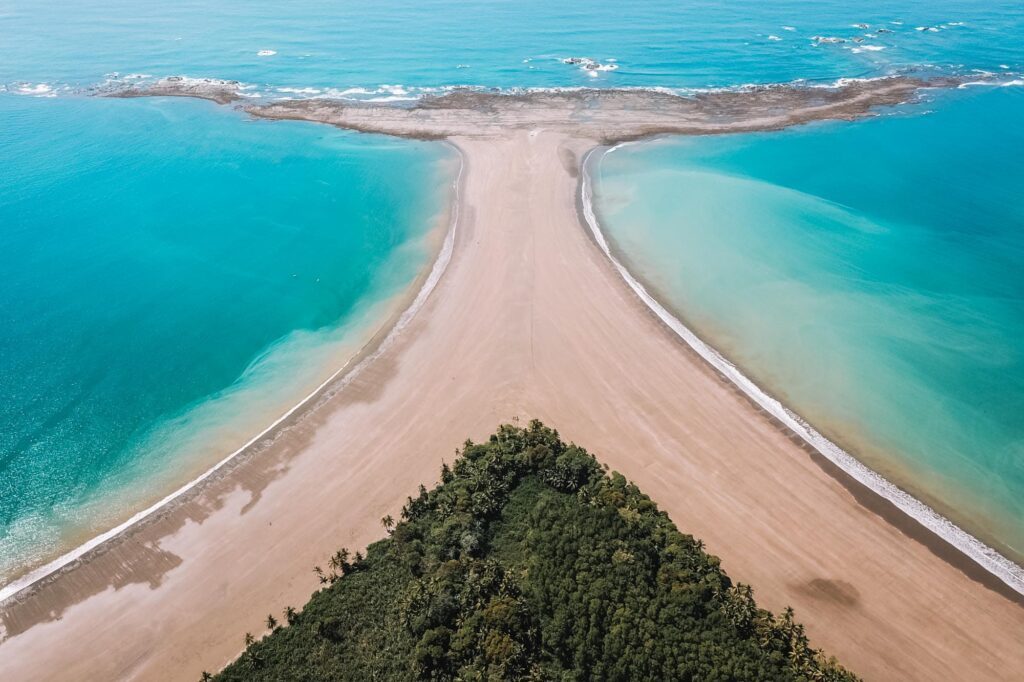
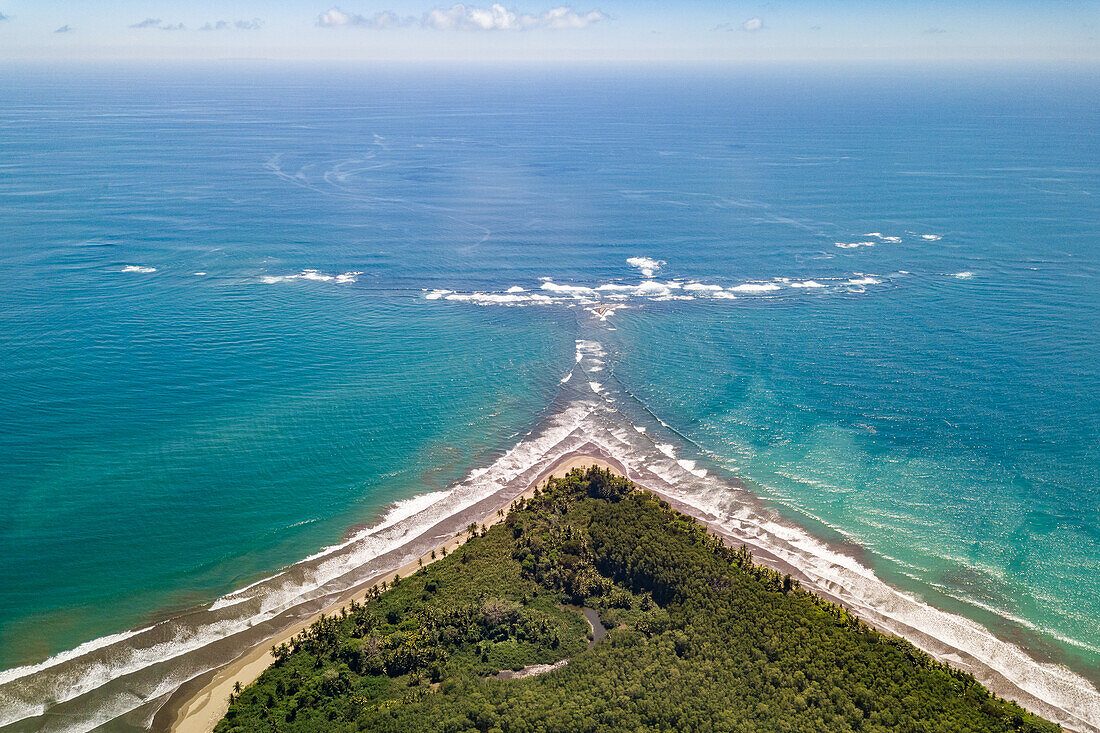
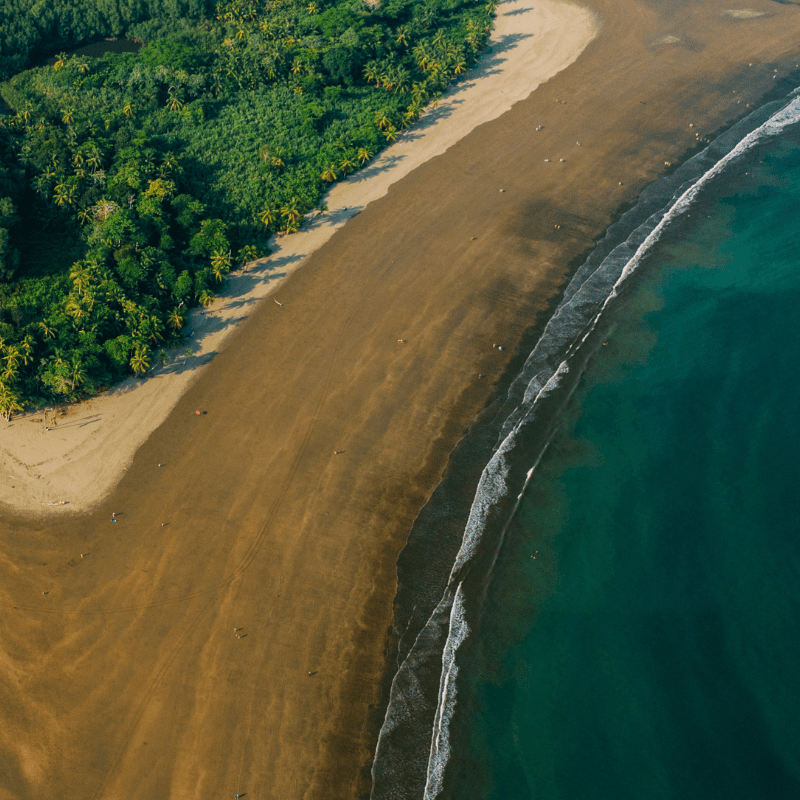
A unique natural sand and stone formation that appears during low tide at Marino Ballena National Park. It stretches nearly 800 meters into the ocean.

Playa Uvita

Playa Uvita

This expansive beach provides the main access point to the park. It is ideal for morning walks before the midday heat.

Marine Protected Area

Marine Protected Area

Marino Ballena National Park spans over 5,000 hectares of ocean. It serves as a vital sanctuary for humpback whales and dolphins.

Mangrove Ecosystems

Mangrove Ecosystems

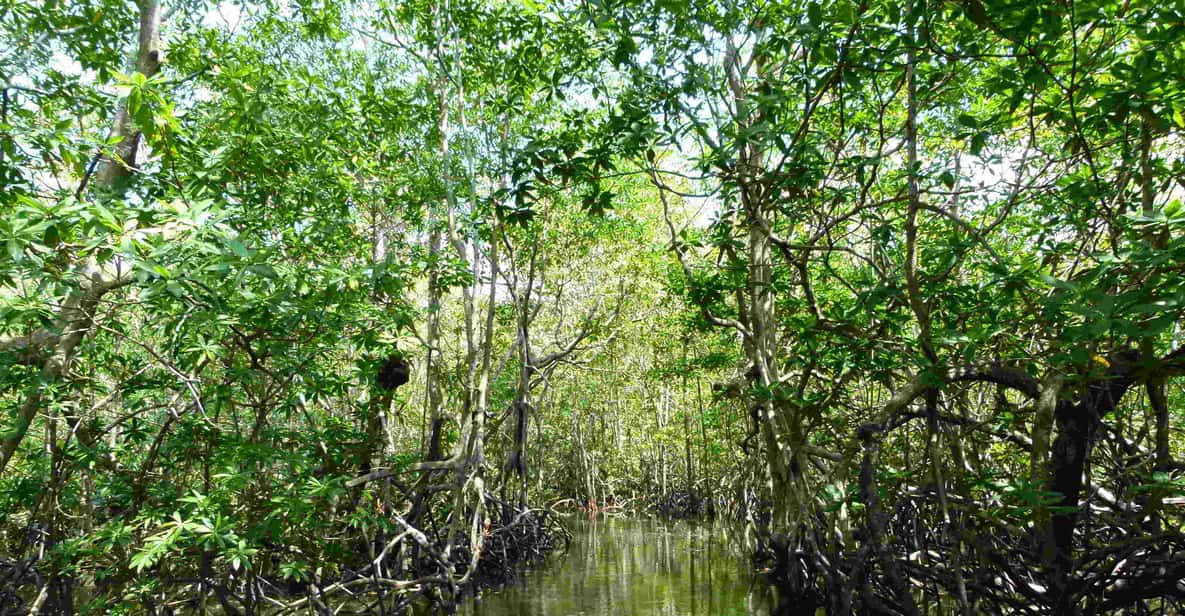
These zones provide essential shelter for coastal wildlife and juvenile fish. They are found near the river outlets within the park.

The experience

What visiting Costa Rica Whale Watching Uvita is really like

You board the boat at Playa Uvita as the engine idles in waist-deep water, the captain scanning the horizon for distant spouts. The hull cuts through glassy morning swells, leaving the Whale Tail formation diminishing behind you.

Read more Show less

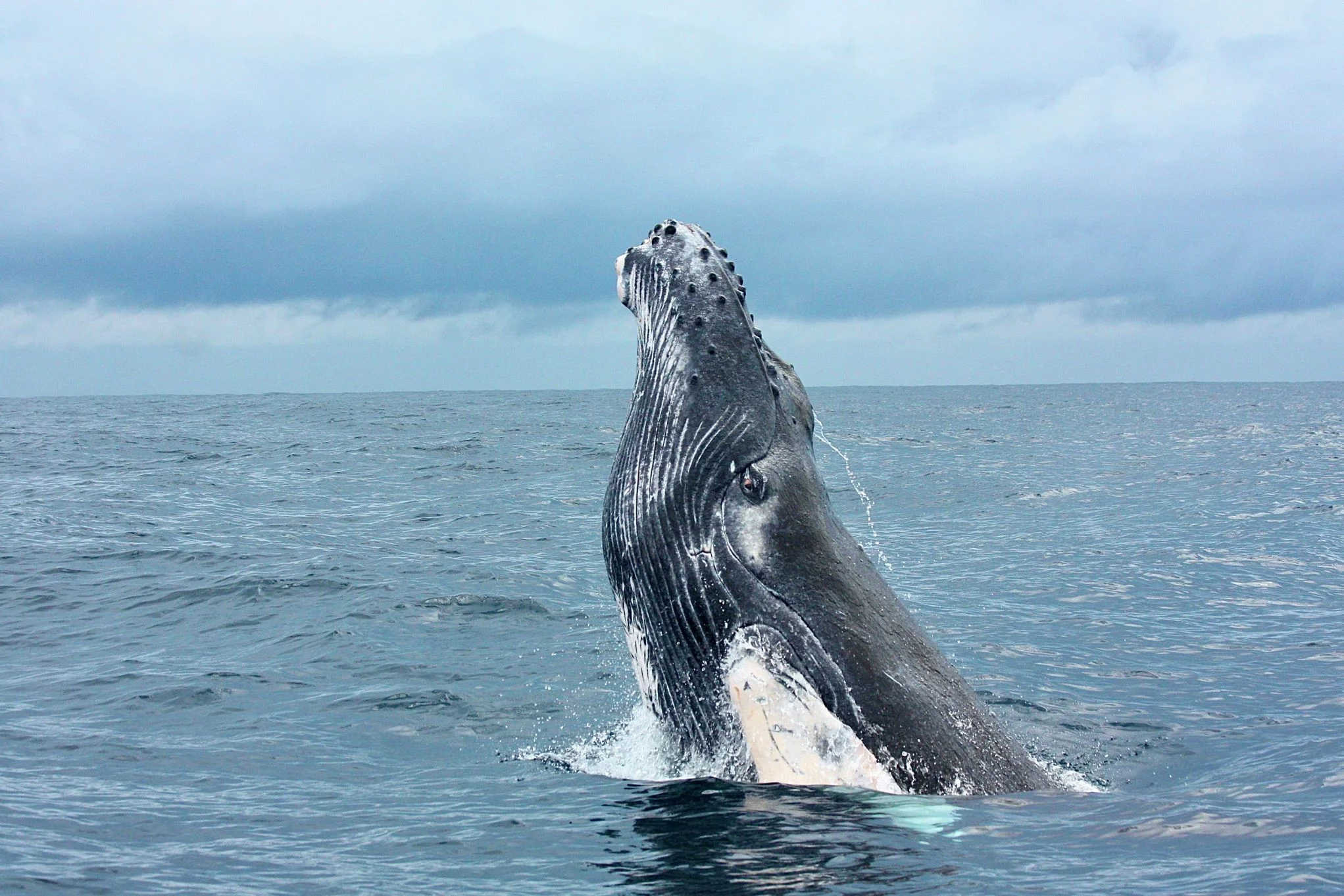
Ten minutes offshore, the mate raises a hand — a humpback surfaces 200 meters ahead, its barnacle-encrusted dorsal fin breaking the waterline. The engine cuts. You grip the gunwale as the whale circles, exhaling a six-meter plume that drifts across the deck, carrying the scent of krill and seawater.

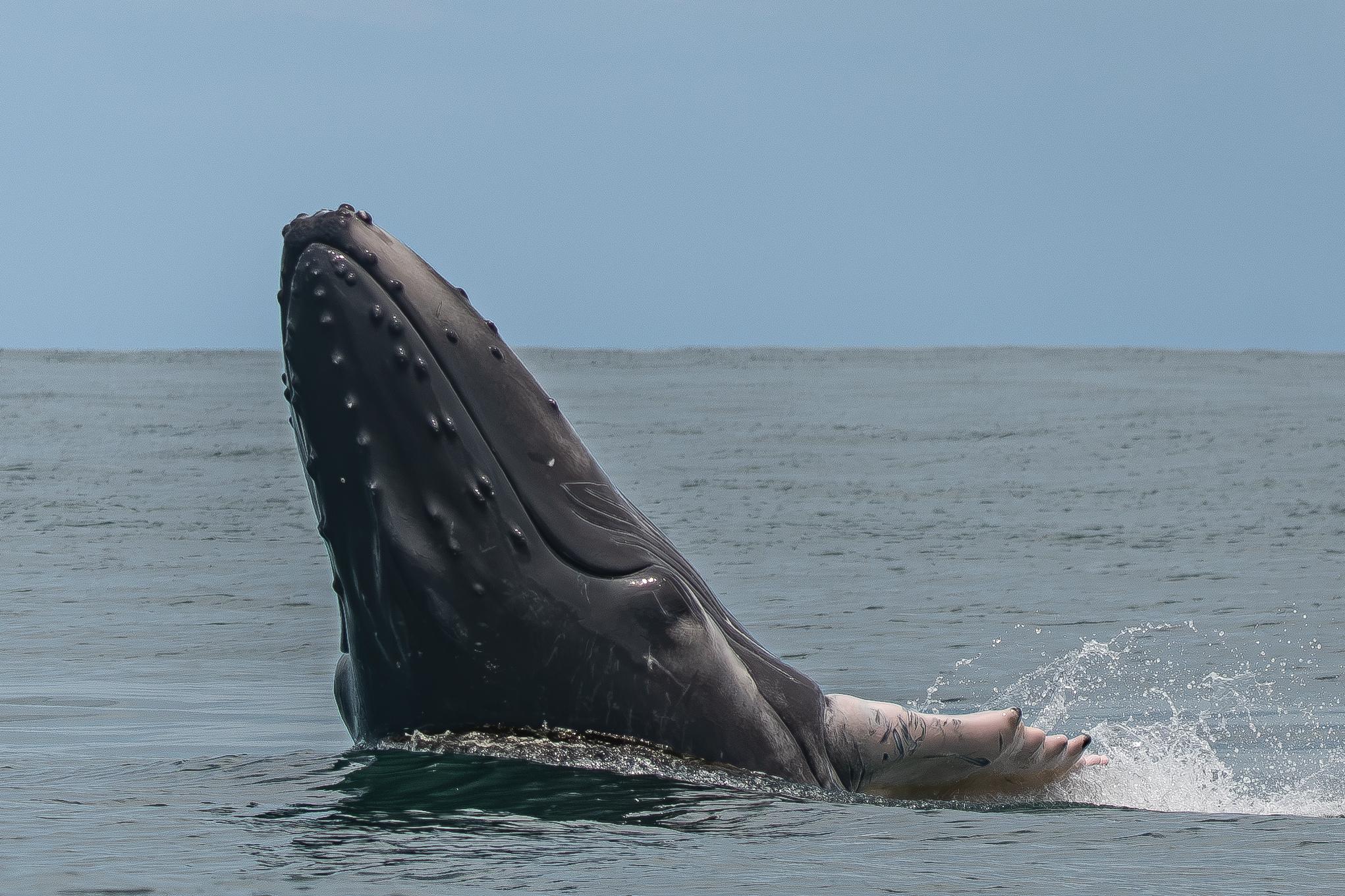
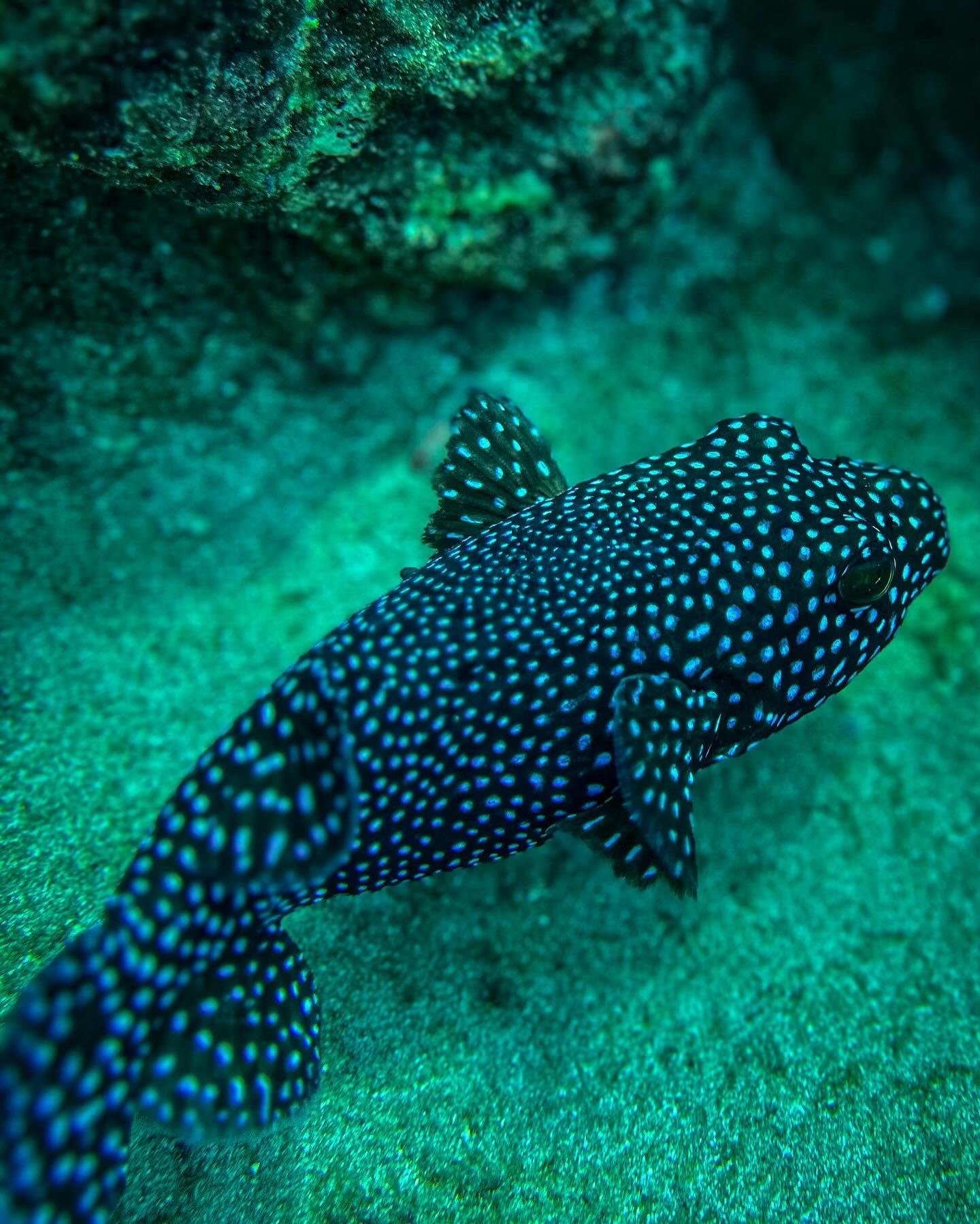
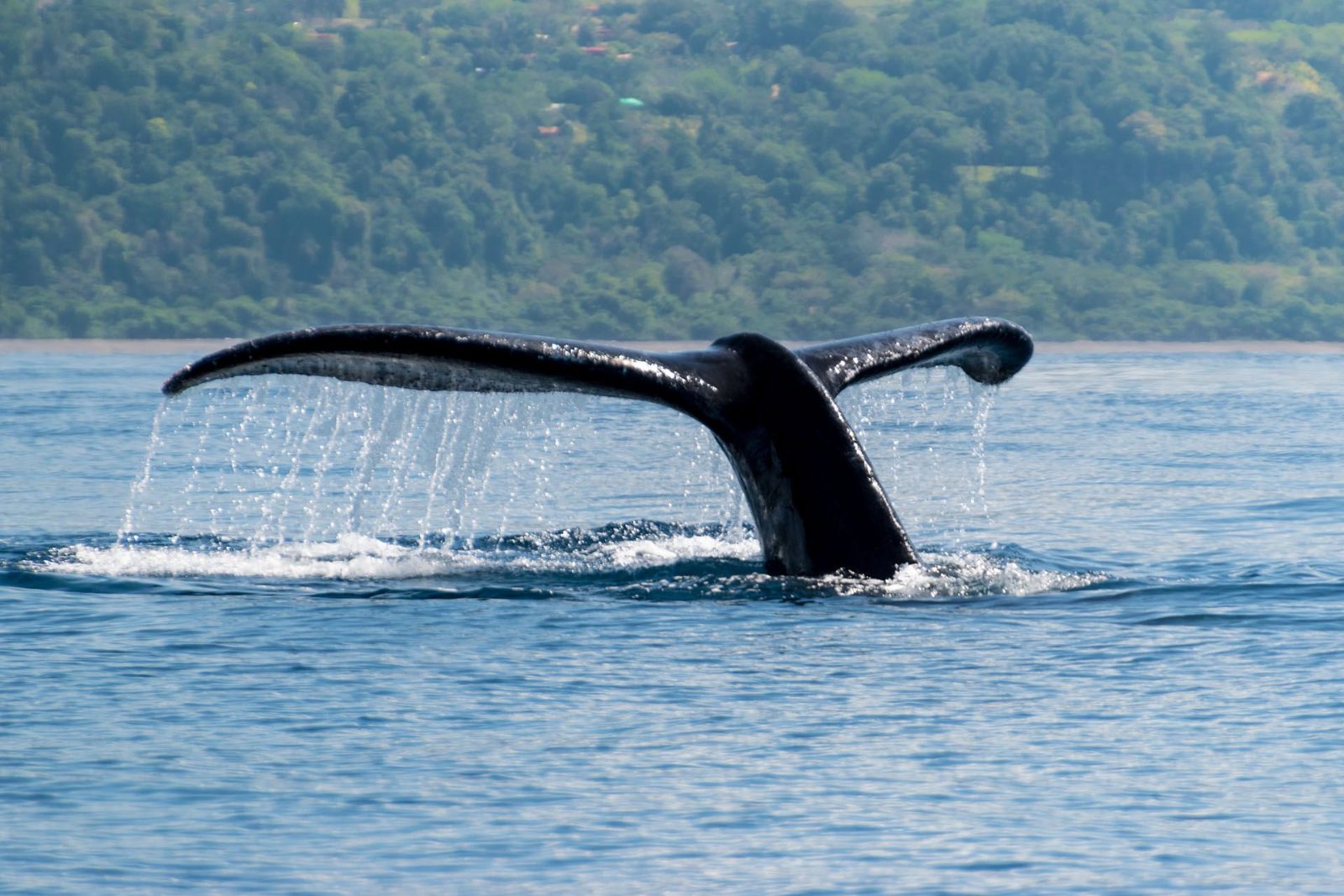
A calf surfaces beside its mother, barely half her length, rolling to expose a white pectoral fin. The cow slaps her fluke against the surface three times, each impact echoing like a rifle crack. You fumble for your camera as she lifts her tail vertically, water streaming from the trailing edge, and slides beneath the thermocline. The captain restarts the engine and tracks northwest, where a pod of bottlenose dolphins materializes off the starboard bow, leaping in synchronized arcs. One individual rides the pressure wave two meters from the hull, its eye rotating to meet yours. The mate points toward Tres Hermanas — three volcanic stacks rising from the reef — where snorkeling gear waits in mesh bags. You slip into 28-degree water, finning toward the rocks as parrotfish scatter through staghorn coral.

Costa Rica Whale Watching Uvita
Everything You Need to Know

Your complete Costa Rica Whale Watching Uvita guide

All the details about your upcoming adventure in one place

Marino Ballena National Park protects 13,000 acres of Pacific Ocean where two migratory populations of humpback whales converge annually — the only place on Earth where northern and southern hemisphere pods overlap.

The northern group arrives from California and Alaska between December and April; the southern contingent travels from Antarctica and Patagonia from July through November. This dual migration transforms Uvita into a year-round whale watching destination, with peak sightings concentrated in September and March when calving activity intensifies.

The park takes its name from the Whale Tail sandbar, a two-kilometer formation visible only during low tide that extends into the warm waters of Bahía de Coronado. Composed of sediment deposits from the Morete and Uvita rivers, the tail emerged over centuries as coastal currents shaped the shoreline into its distinctive fluked silhouette. Humpback whales favor these protected bays for nursing newborn calves, which measure four meters at birth and gain 45 kilograms daily on milk containing 45 percent fat. Bottlenose dolphins, pantropical spotted dolphins, and occasionally pilot whales inhabit the same waters, often riding the bow waves of outbound boats.

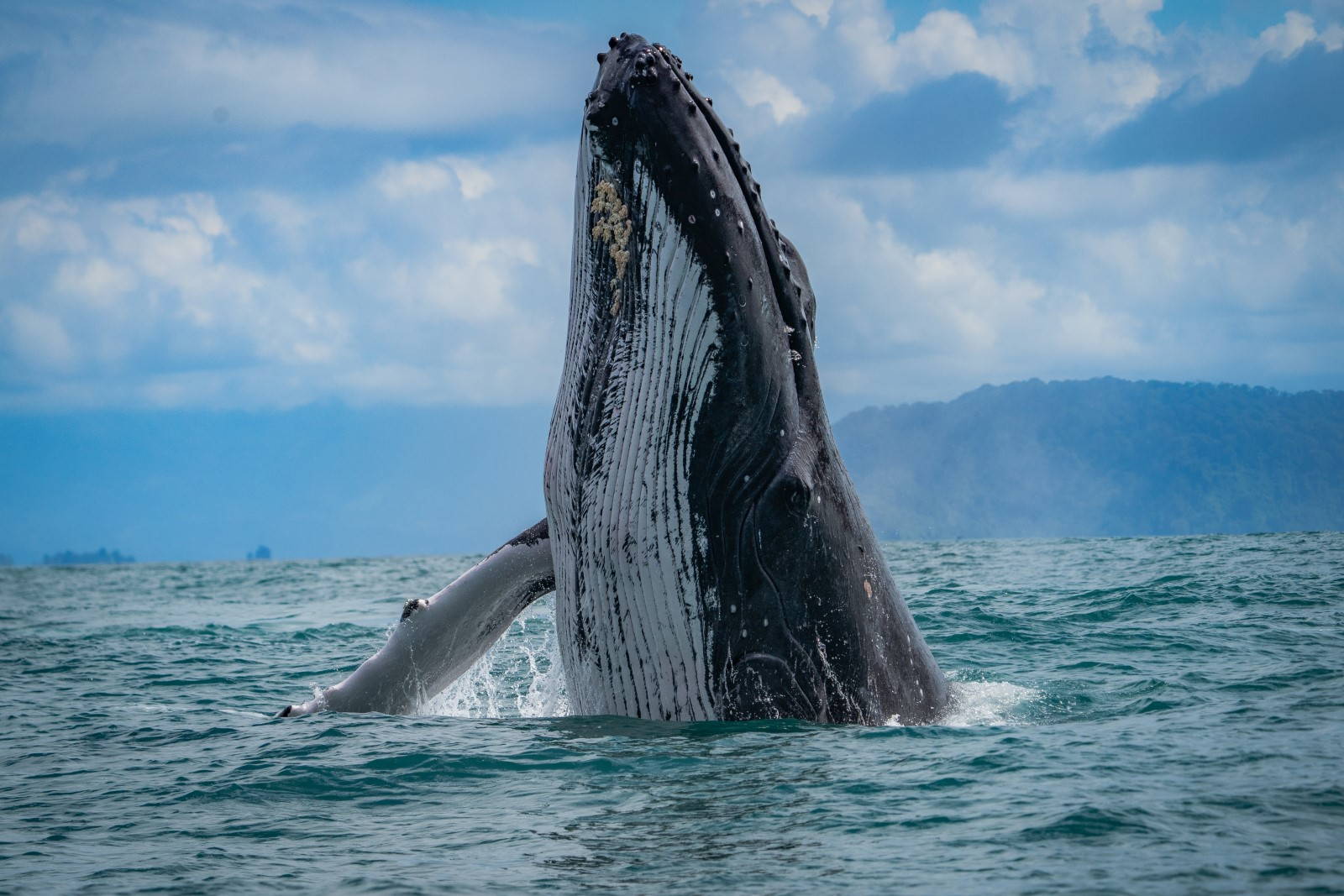
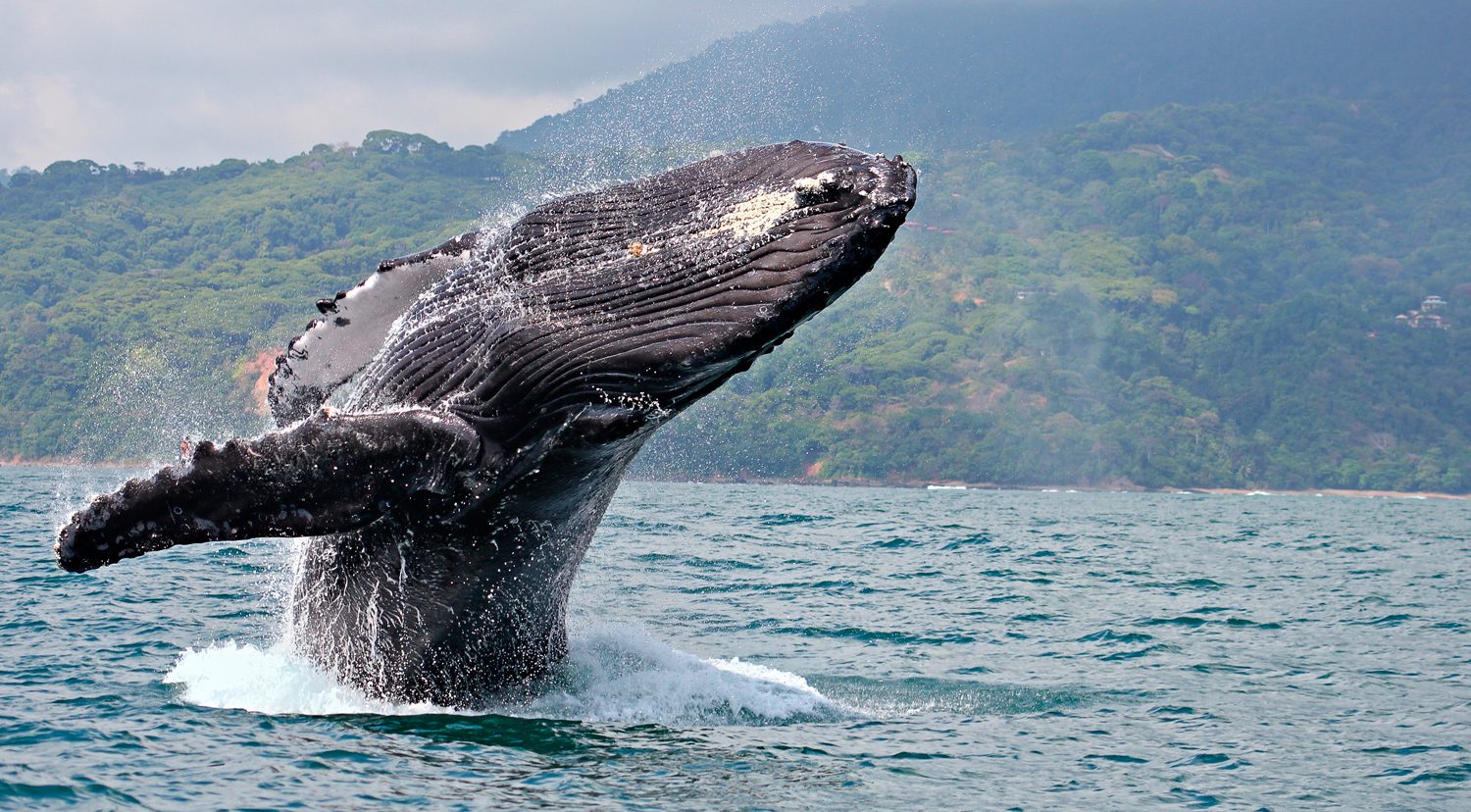
Costa rica whale watching uvita tours depart from Playa Uvita and Playa Ballena, where local cooperatives operate under strict SINAC guidelines limiting vessel approach distance to 100 meters for whales and 50 meters for dolphins. Captains cut engines when marine mammals surface nearby, allowing passengers to hear the percussive exhalation of blowholes and the harmonic vocalizations humpbacks emit during courtship displays. Breaching behavior — when a 40-ton whale propels two-thirds of its body airborne — occurs most frequently in morning hours when water temperature and wind conditions favor surface activity.

The 6 USD conservation fee funds marine patrols that monitor illegal fishing and vessel traffic within park boundaries. Rangers document whale sightings through photo-identification of tail flukes, which carry unique pigmentation patterns comparable to human fingerprints. These records contribute to regional population studies coordinated with research stations in Panama and Ecuador. Snorkeling excursions to Tres Hermanas rock formations and Ventana sea caves extend many costa rica whale watching uvita tickets into half-day marine adventures, combining cetacean observation with reef exploration along the park's 15-kilometer coastline.


The only place on Earth where northern and southern hemisphere humpback whale pods overlap.

Dress code

Wear light, quick-dry clothing suitable for tropical temperatures. Sturdy sandals or water shoes are recommended for walking near Marino Ballena National Park coastal areas.

Bags & security

Only small waterproof bags are recommended for excursions. Security staff may inspect bags for prohibited items at the park entrance.

Photography

Photography is permitted throughout Marino Ballena National Park. Use waterproof housing or covers for equipment while on costa rica whale watching uvita tour vessels.

Families & strollers

Families are welcome, though children should be supervised near water at all times. Costa rica whale watching uvita is a natural marine environment with shifting tides.

Accessibility

Coastal access in Uvita can be challenging for those with limited mobility due to soft sand and tide changes. Assistance may be required to navigate the beach areas effectively.

Food & drink

Visitors may bring reusable water bottles and light snacks into the park. All trash must be carried out to maintain the conservation standards of the marine sanctuary.

Not allowed

× Single-use plastics × Glass bottles × Drones × Loud speakers × Alcoholic beverages × Fishing gear × Spearguns × Pets × Camping equipment × Fireworks

What to bring

✓ Sunscreen ✓ Water ✓ Hat ✓ Sunglasses ✓ Waterproof bag ✓ Towel ✓ Comfortable footwear

Opening hours

Mon 07:00–16:00
Tue 07:00–16:00
Wed 07:00–16:00
Thu 07:00–16:00
Fri 07:00–16:00
Sat 07:00–16:00
Sun 07:00–16:00

How to get there

At a glance

Opening hours

07:00–16:00

Address

Uvita, Puntarenas Province, Costa Rica

Entry Requirements

6 USD conservation fee per person plus tax

Best arrival window

07:00–10:00

Storage

No onsite lockers available

Navigation

Follow signage for Marino Ballena National Park sector

Getting there

Car · -

Follow Route 34 to Uvita and turn toward the coastal park entrance.

Public transport · -

Take a bus to Uvita; the park entrance is a short walk or local taxi ride from town.

Cancellation policy

Cancellations for costa rica whale watching uvita tours must be made 24 hours in advance for a full refund. Requests submitted within the 24-hour window are non-refundable.

Plan your time

Optimal Timing for Costa Rica Whale Watching Uvita

Recommended time

3-4 hours

Planning your costa rica whale watching uvita trip requires coordinating marine excursions with the natural tide cycle to reach the iconic Whale Tail sandbar. Most boat tours last approximately three hours, though booking costa rica whale watching uvita tours during low tide allows for additional time to explore the coastline on foot. Securing costa rica whale watching uvita tickets early ensures you avoid the heaviest congestion while observing humpback whales in Marino Ballena National Park. Those wishing to experience the Pacific biodiversity of these Costa Rica landmarks should allocate extra time for transit to the beach entry point.

Crowd levels through the day

07:00-09:00 Light
09:00-11:00 Moderate
11:00-13:00 High
13:00-16:00 Moderate
Plan ahead

Best time to visit Costa Rica Whale Watching Uvita

Weather · crowds · average price — dots go green to amber to red as each metric rises.

August–October

High chances of spotting humpback whales migrating through the park waters.

December–April

Dry season with lower precipitation levels and clear coastal visibility.

Insider tips

Helpful tips for visiting Costa Rica Whale Watching Uvita

Tide Timing

Check daily tide tables because the Whale Tail formation is only accessible at low tide.

Where to meet

Costa Rica Whale Watching Uvita meeting points

Marino Ballena Entrance

Uvita, Puntarenas

Look for park rangers at the main booth.

Get directions
The story

The history of Costa Rica Whale Watching Uvita

The protection of costa rica whale watching uvita began in 1989 when the Costa Rican government established Marino Ballena National Park, the country's first marine protected area dedicated to safeguarding humpback whales and their migratory corridor. The park's 13,000 acres protect critical breeding and calving grounds where North Pacific and South Atlantic humpback populations converge annually, creating one of the longest documented whale seasons in the world. The distinctive whale tail sandbar formation, visible during low tide, became the park's symbolic anchor point and primary visitor landmark. Early conservation efforts faced significant challenges from commercial fishing interests and unregulated coastal development throughout the 1990s. Local fishermen in Uvita initially viewed the marine restrictions as economic threats until biologists from Universidad de Costa Rica documented that healthy whale populations attracted sustainable tourism revenue exceeding traditional fishing income. By 2003, former fishing boat operators had transitioned to licensed whale watching operators, transforming the regional economy. The Sistema Nacional de Áreas de Conservación assumed management oversight, implementing strict vessel approach distances and seasonal navigation zones to minimize disturbance to migrating cetaceans. Illegal poaching incidents between 2008 and 2012 threatened the recovery trajectory when patrol resources proved insufficient for the park's extensive coastline. Community-based monitoring programs launched in 2013 recruited trained local observers who reported infractions and documented whale behavior patterns, contributing data to long-term population studies. Today, Marino Ballena hosts one of Central America's most concentrated humpback whale aggregations, with peak sightings during August through October and December through March migration windows. The park's dual-hemisphere convergence pattern remains a focal point for marine research, supporting ongoing studies of whale communication, breeding behavior, and climate adaptation responses that inform Pacific basin conservation strategies.

1989

Costa Rica establishes Marino Ballena National Park as the nation's first marine protected area for humpback whale conservation.

1990s

Commercial fishing restrictions spark local resistance until economic studies demonstrate tourism revenue potential exceeds traditional catches.

2003

Former fishermen complete certification programs and transition to licensed whale watching tour operators under new regulations.

2008–2012

Illegal poaching incidents surge as limited patrol capacity fails to cover the park's extensive marine boundaries.

2013

Community observer network launches, training local residents to monitor whale populations and report conservation threats.

2020s

Marino Ballena hosts dual-hemisphere humpback convergence, attracting international researchers studying migration patterns and climate impacts.

Photo spots

Best Photo Spots for Costa Rica Whale Watching Uvita

The Whale Tail Sandbar

The Whale Tail Sandbar

Best light · Low tide only

Walk along this natural formation at low tide to capture the expansive coastline and the meeting of the Pacific Ocean waves. Position yourself at the furthest tip for the clearest horizon perspective.

Punta Uvita Lookout

Punta Uvita Lookout

Best light · Before 09:00

Elevated vantage point providing a panoramic view of the rocky tombolo and the surrounding marine sanctuary. This spot is essential for framing the scale of costa rica whale watching uvita tours against the deep blue water.

Ballena Coastline Corridor

Ballena Coastline Corridor

Best light · Early morning

This stretch of beach offers a ground-level perspective where the jungle meets the sand. Use the dense greenery as a natural frame for capturing humpback whale breaches at a distance.

Playa Colonia Shoreline

Playa Colonia Shoreline

Best light · Golden hour

Capture the dense mangrove forest edge where visitors gather to secure their costa rica whale watching uvita tour boat departures. It provides a distinct contrast between calm inland waters and the rougher Pacific surf.

Arco Beach Rock Arch

Arco Beach Rock Arch

Best light · Afternoon light

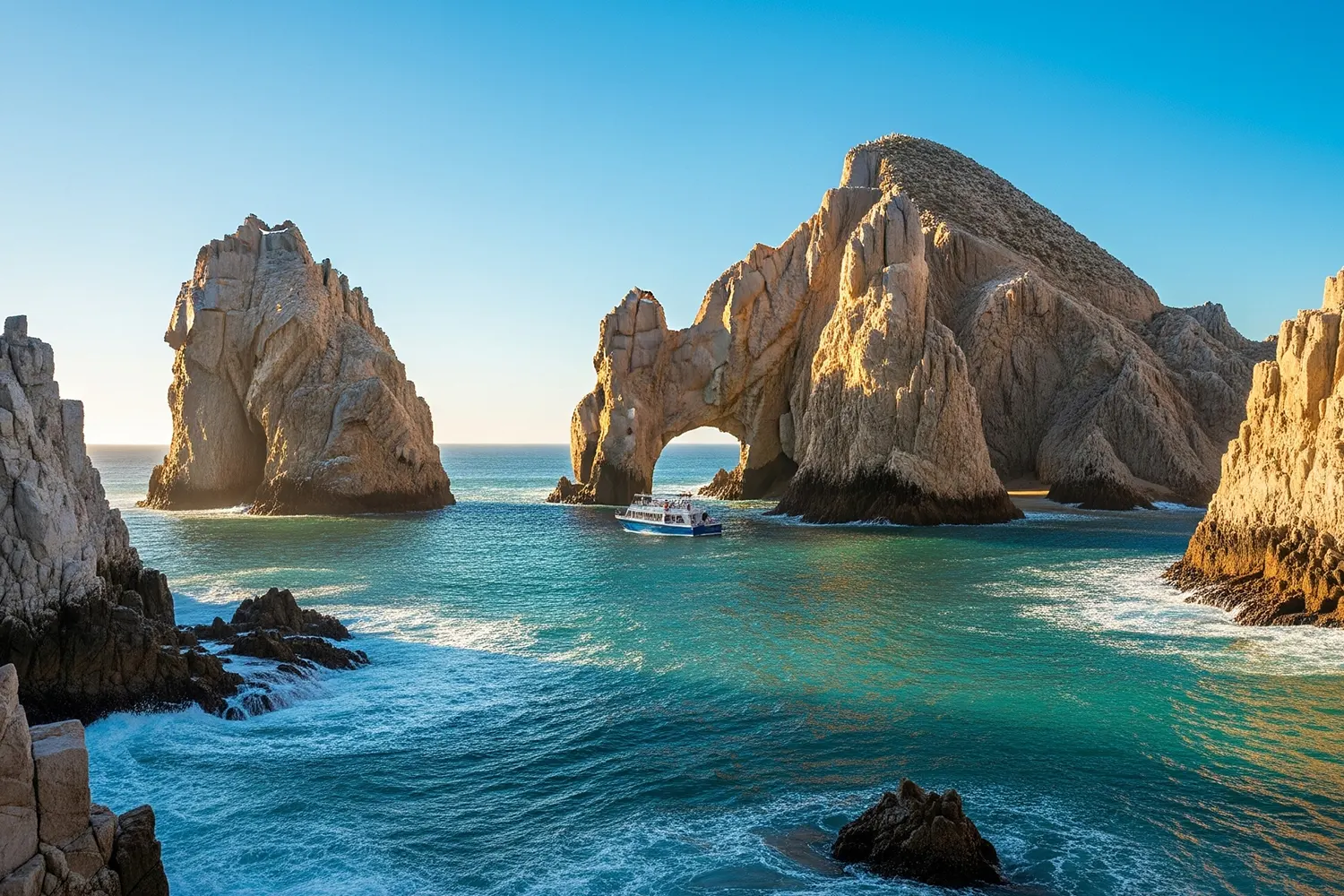
Located nearby, this natural stone archway provides a dramatic foreground for seascapes. Access requires timing your visit to ensure you have secured costa rica whale watching uvita tickets for local transport or a coastal hike.

Gallery

Moments from Costa Rica Whale Watching Uvita

With kids

Visiting Costa Rica Whale Watching Uvita with kids

Exploring Marino Ballena National Park provides families a unique opportunity for costa rica whale watching uvita in a protected marine environment. Children often enjoy searching for humpback whales and walking along the natural formation known as the Whale Tail.

Strollers

The sandy terrain of the park is generally not suitable for strollers, so bringing a baby carrier is recommended for younger children. costa rica whale watching uvita tours often depart directly from the beach, which requires walking over soft sand.

Facilities

There are limited amenities within the park, so ensure you carry essential supplies and water for your children. Plan to purchase your costa rica whale watching uvita tickets in advance to streamline your entry process.

Pacing

Given the expansive nature of the shoreline, keep your pace slow to manage sun exposure during your costa rica whale watching uvita tour. We recommend following the best arrival window of 07:00–10:00 to ensure your family has ample time to explore the coastline before the heat of the day.

Best Ages

This destination is well-suited for school-aged children who can navigate uneven paths and participate in boat excursions. Younger toddlers may find long periods on the water challenging, so consider shorter outings or land-based observation.

Food & drink

Dining Near Costa Rica Whale Watching Uvita

Visitors planning a costa rica whale watching uvita excursion will find limited dining inside Marino Ballena National Park, so most travelers head to the nearby town streets for refreshments. After your costa rica whale watching uvita tours, numerous eateries offer sustenance within a short walk from the main entrance.

El Hornito

$5-15

Bakery — 5 min drive

This local favorite is perfect for grabbing quick empanadas or pastries before heading to your costa rica whale watching uvita tour. It is a casual spot that gets busy during morning hours when visitors pick up snacks for the day.

Soda Ranchito

$10-20

Traditional Costa Rican — 5 min drive

This casual restaurant serves hearty casados and fresh fruit juices, making it a reliable choice for lunch after securing your costa rica whale watching uvita tickets. The outdoor seating provides a comfortable environment to relax while discussing the marine wildlife sightings.

Whale Tail Hotel Restaurant

$15-30

Bistro — 10 min walk

Located near the park entrance, this venue offers a varied menu with international and local dishes. It serves as an accessible dining option for those finishing their time at this marine sanctuary and seeking a seated meal in a relaxed atmosphere.

FAQ

Costa Rica Whale Watching Uvita — frequently asked questions

Everything you need to know for your journey

Around the corner

More to see near Costa Rica Whale Watching Uvita

Playa Uvita

5 min

landmark

A vast stretch of sand known for its calm swimming areas.

Nauyaca Waterfalls

40 min

landmark

A set of two majestic falls located in the nearby lush rainforest.

Playa Arco

20 min

viewpoint

A secluded beach accessible via a hiking trail through the forest.

Where to stay

Where to stay near Costa Rica Whale Watching Uvita

Uvita Town

10 min

mid-range

Central hub for lodges and local vacation rentals.

Ballena Coast

15 min

luxury

Upscale resorts nestled in the hills overlooking the ocean.

Ready for Adventure?

Join thousands of happy travelers who have discovered this incredible experience

Book Your Experience Now